
Sperm DNA Fragmentation: What It Is and Why It Matters in IVF
When couples face difficulty in conceiving, the focus often shifts quickly to egg quality, age, or hormonal issues. Male fertility, however, is just as important and often more complex than it appears on routine tests. Many men are told their semen analysis looks normal, yet pregnancy does not happen or IVF cycles fail without a clear reason. This is where sperm DNA fragmentation becomes an important and often missing piece of the puzzle.
Sperm DNA fragmentation refers to damage within the genetic material carried by sperm. Even when sperm count, motility, and shape appear normal, the DNA inside the sperm may be broken or unstable. This hidden issue can affect fertilization, embryo development, implantation, and even increase the risk of miscarriage. For couples planning IVF treatment, understanding sperm DNA health can make a real difference in outcomes.
With growing awareness, fertility specialists are now paying closer attention to advanced male fertility testing. At a leading fertility centre in Bangalore, sperm DNA fragmentation testing is often recommended for couples with unexplained infertility, repeated IVF failure, or recurrent pregnancy loss. It provides deeper insight beyond standard semen analysis and helps guide treatment decisions more accurately.
For those searching for fertility treatment in Bangalore, this topic is especially relevant. IVF is not just about combining egg and sperm in a lab. It is about using the healthiest possible genetic material to support a successful pregnancy. This blog explains what sperm DNA fragmentation is, why it matters in IVF treatment, what causes it, how it is tested, and how it can be managed with the right medical and lifestyle approach.
Understanding Sperm DNA Fragmentation in Simple Terms
Sperm carries half of the genetic information needed to create a baby. This genetic material is tightly packed inside the sperm head to protect it during its journey. When this DNA becomes damaged or fragmented, the sperm may still reach and fertilize the egg, but problems can arise later.
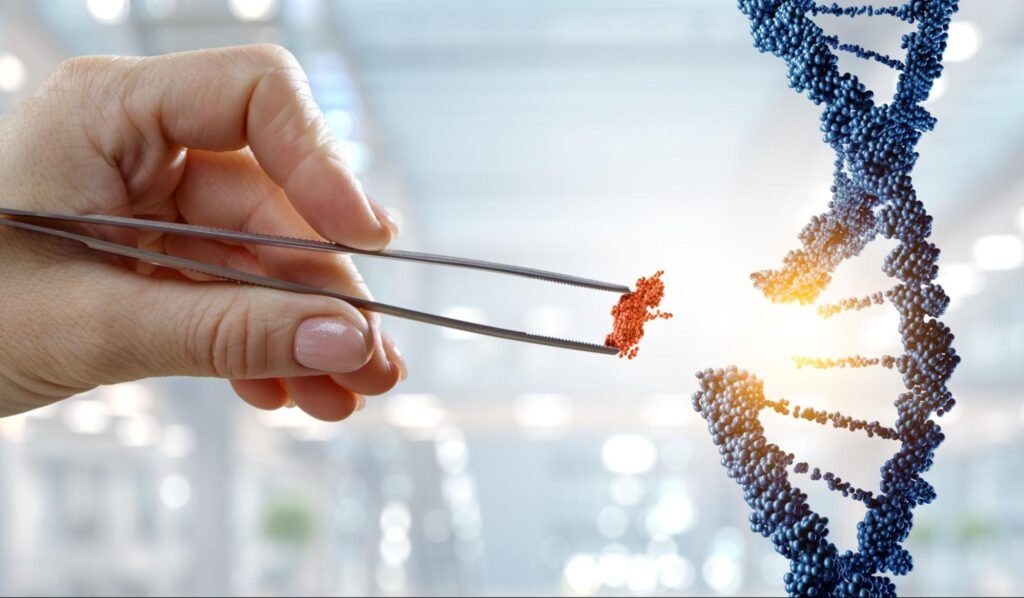
DNA fragmentation means the genetic strands inside the sperm are broken.
These breaks can interfere with embryo development after fertilization.
The egg may repair minor damage, but severe damage is difficult to fix.
High fragmentation can lead to poor-quality embryos.
It is often not detected in routine semen tests.
This is why many fertility experts at a reputed fertility centre in Bangalore recommend DNA fragmentation testing in specific cases.
Why Sperm DNA Fragmentation Matters in IVF
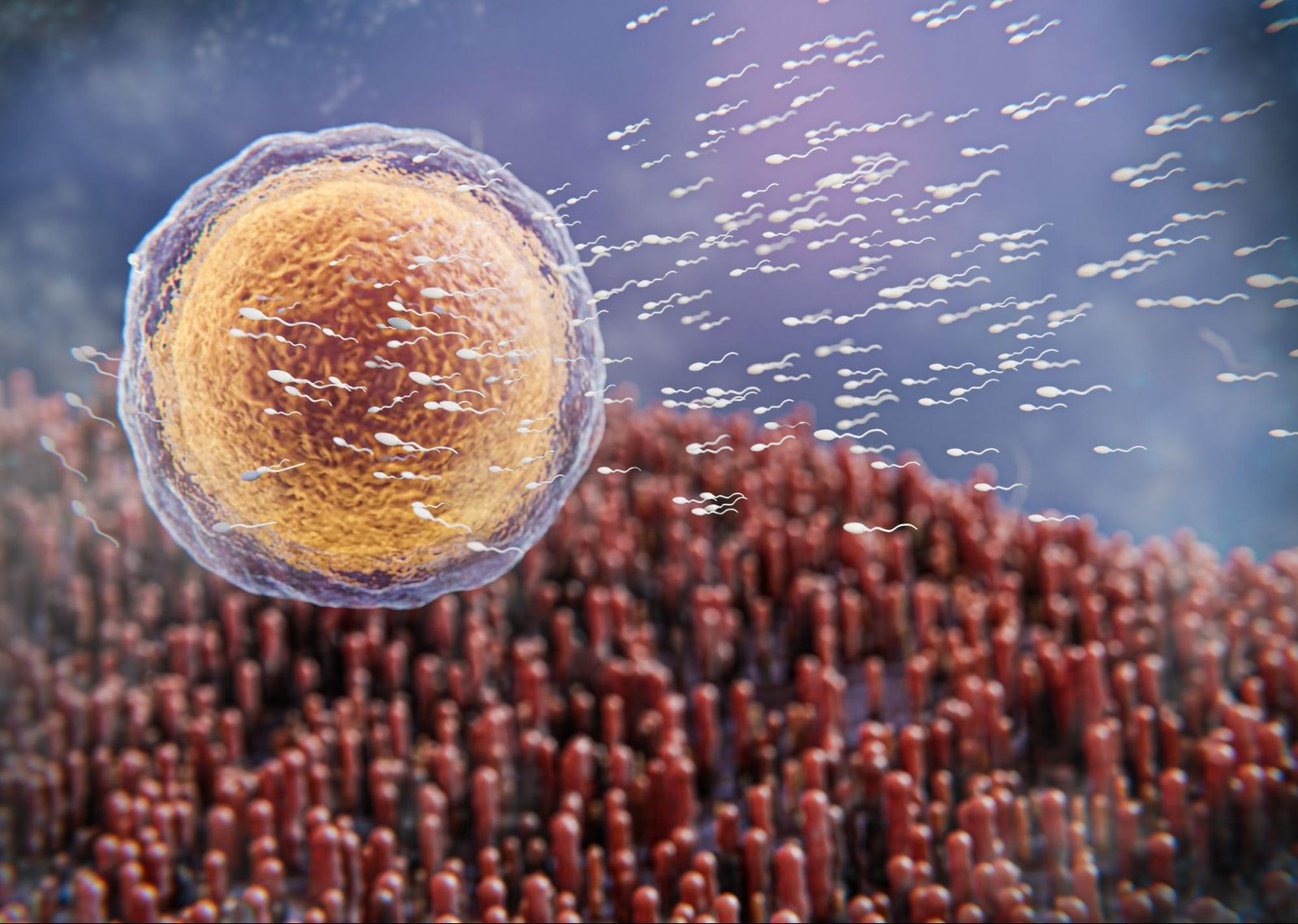
In IVF treatment, fertilization happens outside the body under controlled conditions. While this improves the chances of sperm meeting the egg, it does not automatically fix DNA damage.
High sperm DNA fragmentation can reduce fertilization rates.
Embryos may stop developing after a few days.
Implantation rates may be lower even with good-looking embryos.
There is a higher risk of early pregnancy loss.
IVF cycles may fail repeatedly without a clear explanation.
Understanding sperm DNA quality helps fertility specialists in Bangalore choose the most suitable IVF approach and improve success rates.
Common Causes of Sperm DNA Fragmentation
Several factors can damage sperm DNA over time. Many of these are linked to lifestyle, environment, and underlying health conditions.
Oxidative stress caused by free radicals is one of the leading causes.
Smoking and alcohol consumption increase DNA damage.
Varicocele, which is enlarged veins around the testes, raises scrotal temperature.
Chronic infections or inflammation in the reproductive tract affect sperm health.
Exposure to pollution, heat, and toxins harms sperm DNA.
Identifying and addressing these causes is an important part of fertility treatment in Bangalore.
Who Should Consider Sperm DNA Fragmentation Testing
Not every couple needs this test, but it is strongly recommended in certain situations.
Couples with unexplained infertility despite normal semen reports.
Repeated IVF or ICSI failure.
Recurrent miscarriages with no clear female cause.
Male partners above the age of 40.
Presence of varicocele or long-standing lifestyle risk factors.
At a trusted fertility centre in Bangalore, doctors use this test selectively to guide personalized treatment plans.
Types of Sperm DNA Fragmentation Tests
Different laboratory tests are used to measure sperm DNA damage. Each test has its own method and clinical relevance.
SCSA measures the susceptibility of sperm DNA to damage.
TUNEL assay directly identifies DNA breaks.
Comet assay evaluates the extent of DNA fragmentation visually.
SCD test checks how well DNA is packaged inside sperm.
Test selection depends on clinical history and lab expertise.
Fertility specialists in Bangalore choose the most appropriate test based on the couple’s fertility journey.
Sperm DNA Fragmentation and IVF vs ICSI
The choice between IVF and ICSI becomes important when DNA fragmentation levels are high.
In conventional IVF, sperm must penetrate the egg naturally.
In ICSI, a single sperm is injected directly into the egg.
ICSI may bypass some issues related to motility and count.
However, it does not fully eliminate the impact of DNA damage.
Advanced sperm selection techniques may be recommended.
This decision-making process is carefully guided at a specialized fertility centre in Bangalore.
Impact of High DNA Fragmentation on Pregnancy Outcomes
High sperm DNA fragmentation affects not just fertilization but also later stages of pregnancy.
Lower embryo implantation rates.
Higher risk of early miscarriage.
Increased chance of chromosomal abnormalities.
Delayed embryo development.
Emotional and financial stress due to repeated IVF failures.
Understanding this link helps couples set realistic expectations and plan treatment wisely.
Managing and Reducing Sperm DNA Fragmentation
The good news is that sperm DNA fragmentation can often be improved with the right approach.
Lifestyle changes such as quitting smoking and reducing alcohol.
Antioxidant supplementation under medical guidance.
Treatment of infections and inflammation.
Surgical correction of varicocele when indicated.
Stress management and improved sleep patterns.
Fertility specialists in Bangalore usually recommend a three to six month plan before proceeding with IVF treatment.
Role of Antioxidants in Improving Sperm DNA Health
Antioxidants help neutralize free radicals that damage sperm DNA.
Vitamin C protects sperm from oxidative stress.
Vitamin E supports sperm membrane stability.
Zinc improves DNA packaging and sperm quality.
Selenium enhances sperm motility and structure.
Coenzyme Q10 supports cellular energy production.
These supplements should always be taken under medical supervision at a fertility centre in Bangalore.
Sperm DNA Fragmentation and Donor or Surgical Sperm Use
In some cases, alternative approaches may be recommended.
Using testicular sperm instead of ejaculated sperm.
Testicular sperm often has lower DNA fragmentation.
Donor sperm may be discussed in severe cases.
Decisions are made with emotional and ethical sensitivity.
The goal is always a healthy pregnancy.
These options are discussed transparently during fertility treatment in Bangalore.
Comparison of Normal vs High Sperm DNA Fragmentation
| Parameter | Normal DNA Fragmentation | High DNA Fragmentation |
| Fertilization | Higher chances | Reduced chances |
| Embryo Quality | Better development | Poor development |
| Implantation | More likely | Less likely |
| Miscarriage Risk | Lower | Higher |
| IVF Outcome | Improved success | Repeated failure |
This table highlights why DNA integrity is crucial in IVF treatment.
Emotional Impact of Male Factor Infertility
Male fertility issues often remain unspoken.
Men may feel guilt or stress.
Couples may experience communication gaps.
Repeated IVF failure affects mental health.
Counseling support improves coping and outcomes.
A compassionate fertility centre in Bangalore addresses both medical and emotional needs.
Why Ayaansh Hospital Is a Preferred Fertility Centre in Bangalore
Ayaansh Hospital is known for its patient-focused and science-backed approach to fertility care. As a trusted fertility centre in Bangalore, it combines advanced diagnostic tools with personalized treatment planning. Sperm DNA fragmentation testing, lifestyle counseling, and tailored IVF strategies are integrated seamlessly into care protocols. The team at Ayaansh Hospital believes in addressing root causes rather than rushing into procedures. With experienced fertility specialists, modern laboratories, and transparent communication, patients feel supported at every stage of their journey. For couples seeking IVF treatment or fertility treatment in Bangalore, Ayaansh Hospital offers clarity, compassion, and confidence.
Conclusion
Sperm DNA fragmentation is a powerful yet often overlooked factor in fertility and IVF outcomes. It explains why some couples struggle despite normal test results and why repeated IVF cycles may fail without an obvious cause. Understanding sperm DNA health shifts the focus from numbers alone to genetic quality, which plays a critical role in embryo development and pregnancy success.
For couples considering fertility treatment in Bangalore, awareness of this issue opens the door to more informed decisions. Testing, lifestyle changes, medical treatment, and advanced sperm selection techniques can significantly improve outcomes when guided by experienced specialists. Fertility care is most effective when it looks beyond surface-level results and addresses hidden factors.
At a leading fertility centre in Bangalore like Ayaansh Hospital, this comprehensive approach ensures that both partners receive equal attention and care. By identifying and managing sperm DNA fragmentation early, couples can move forward with IVF treatment with greater confidence and hope. Fertility is a shared journey, and understanding every piece of the puzzle brings you one step closer to achieving a healthy and successful pregnancy.