
IVF Failure: Common Reasons & What to Do Next
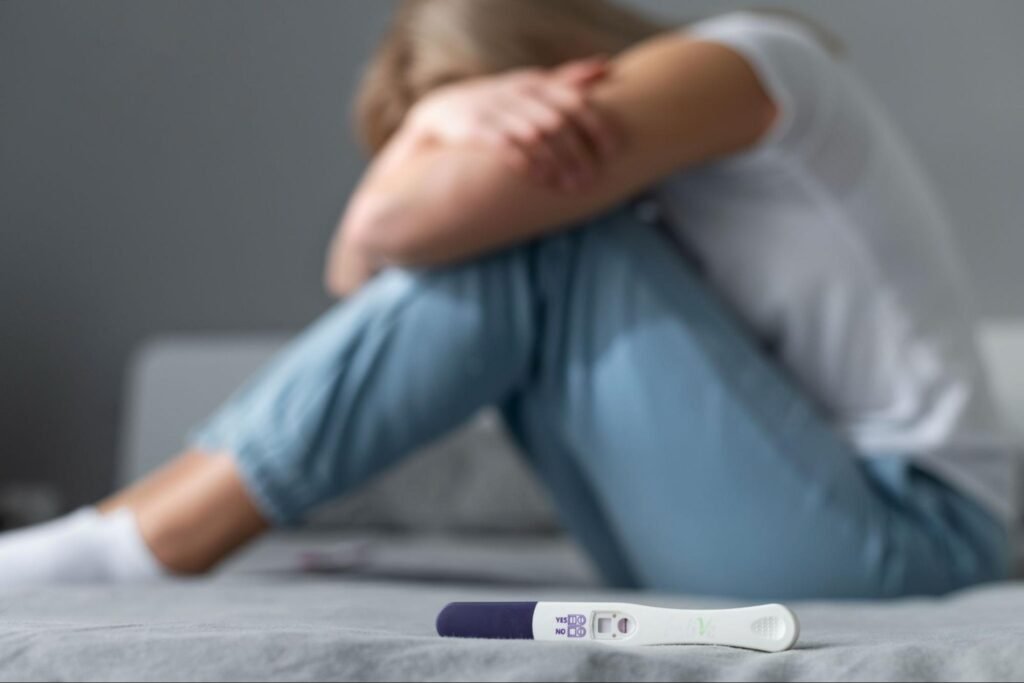
Hearing that an IVF cycle has failed can feel heartbreaking. After weeks of injections, scans, medications, and emotional hope, a negative pregnancy test can be deeply painful. If you are facing IVF failure, it is important to know one thing clearly. You are not alone, and this does not mean the journey is over.
IVF is a powerful medical technology, but it does not guarantee success in a single cycle. Even in women under 35, success rates per cycle are not 100 percent. Many couples require more than one attempt before achieving pregnancy. A failed cycle does not mean your body cannot conceive. It simply means something in that particular cycle did not align perfectly.
The most important step after IVF failure is understanding why it may have happened. A detailed review of the cycle helps doctors adjust the approach for better outcomes in the next attempt. Emotional healing is equally important. Taking time to process disappointment can make a big difference before starting again.
For couples in Bangalore, choosing a trusted Fertility Centre in Bangalore ensures that failure is treated as part of the learning process, not as the end of the road. Let us understand the common reasons behind IVF failure and what steps you can take next.
Common Medical Reasons for IVF Failure
There is rarely a single cause. Often, multiple factors play a role.
- Poor egg quality
- Poor sperm quality
- Embryo development issues
- Implantation failure
- Chromosomal abnormalities
Egg quality declines with age, especially after 35. Even if fertilization occurs, embryos may not develop normally. In some cases, embryos look healthy under the microscope but may carry genetic abnormalities that prevent implantation.
Sperm health also matters significantly. Issues with DNA fragmentation can affect embryo quality even if basic semen parameters appear normal.
Implantation Failure Explained
Sometimes, embryos are transferred successfully but do not implant.
Possible reasons include:
- Thin uterine lining
- Uterine fibroids or polyps
- Endometriosis
- Immune related factors
- Hormonal imbalance
Implantation is a complex biological process. Even high quality embryos may not implant if the uterine environment is not optimal.
A detailed uterine evaluation after IVF failure can help identify hidden issues.
Lifestyle Factors That May Affect Success
Lifestyle plays a bigger role than many realize.
- Smoking
- Excessive alcohol consumption
- Obesity
- High stress levels
- Poor sleep patterns
While lifestyle alone may not cause IVF failure, improving overall health can enhance future success rates.
Laboratory and Protocol Related Factors
IVF success also depends on the treatment protocol.
Stimulation Protocol
Incorrect medication dosage may result in too few or poor quality eggs.
Timing of Trigger Injection
Precise timing affects egg maturity.
Embryo Culture Conditions
Advanced lab technology is crucial for embryo growth.
Day of Transfer
Some patients benefit more from blastocyst transfer rather than day 3 transfer.
Freezing and Thawing Techniques
Modern freezing methods improve survival rates of embryos.
A reputable Fertility Centre in Bangalore will carefully review each technical aspect after a failed cycle.
Emotional Impact of IVF Failure
IVF failure is not just medical. It is deeply emotional.
You may experience:
- Grief
- Anger
- Self blame
- Guilt
- Fear of trying again
It is important to allow yourself to feel these emotions. Counseling and open conversations with your partner can help process the disappointment.
Taking a short break before the next cycle is often beneficial.
What to Do After IVF Failure
The next steps should be practical and structured.
First, schedule a detailed review consultation. Ask your doctor to explain what happened in the cycle.
Second, consider additional tests if recommended, such as genetic screening, uterine evaluation, or sperm DNA testing.
Third, optimize lifestyle habits. Focus on balanced nutrition, moderate exercise, and stress management.
Fourth, discuss whether protocol changes are needed for the next cycle.
Fifth, evaluate whether frozen embryo transfer is an option if embryos are available.
Most importantly, remember that many couples succeed in subsequent cycles after making necessary adjustments.
Success After IVF Failure
Statistics show that cumulative success rates improve over multiple cycles. A single IVF failure does not determine your final outcome.
Here is a simplified comparison:
| Attempt | Approximate Cumulative Success Trend |
| First Cycle | Moderate chance depending on age |
| Second Cycle | Increased cumulative success |
| Third Cycle | Further improved overall probability |
Each attempt provides more information about how your body responds.
Questions to Ask Your Doctor
After IVF failure, consider asking:
- What was the quality of my eggs and embryos
- Did implantation occur at all
- Should we change the stimulation protocol
- Are additional tests needed
- When can we safely try again
Clear communication builds confidence for the next step.
Why Ayaansh Hospital Is a Trusted Fertility Centre in Bangalore
For couples dealing with IVF failure, having the right medical team is essential. Ayaansh Hospital, a leading Fertility Centre in Bangalore, approaches every failed cycle as an opportunity to refine and improve the treatment plan.
The fertility specialists conduct thorough cycle reviews, including embryo grading, hormonal response analysis, and uterine assessment. Instead of repeating the same approach, they customize the next cycle based on detailed findings. Advanced lab facilities and evidence based protocols increase the chances of better embryo development in subsequent attempts.
Equally important is emotional support. The team understands the psychological toll of IVF failure and provides compassionate counseling to help couples regain confidence. With transparent communication and personalized care, Ayaansh Hospital supports patients through setbacks and helps them move forward with renewed hope.
Conclusion
IVF failure can feel devastating, but it does not mean the journey ends here. Many couples who experience a failed first cycle go on to have successful pregnancies in later attempts. The key lies in understanding the reason behind the failure and adjusting the treatment plan accordingly.
Common causes include egg quality issues, sperm factors, implantation problems, hormonal imbalances, and lifestyle influences. A careful medical review can uncover areas for improvement.
Emotionally, it is important to take time to heal before trying again. Support from your partner, family, and fertility team makes a big difference.
If you are undergoing treatment in Bangalore, choosing a trusted Fertility Centre in Bangalore like Ayaansh Hospital ensures that every setback is addressed with expertise and compassion. IVF is a journey that sometimes requires persistence. With the right guidance and personalized adjustments, the next step may bring you closer to your goal of parenthood.