- Emergency Line: 08022225555 / 08022960390 / 9958816886
- Location: Bangalore, Pune, Hyderabad
- 24/7 - Available
- Emergency Line: 08022225555 / 08022960390 / 9958816886
- Location: Bangalore, Pune, Hyderabad
- 24/7 - Available

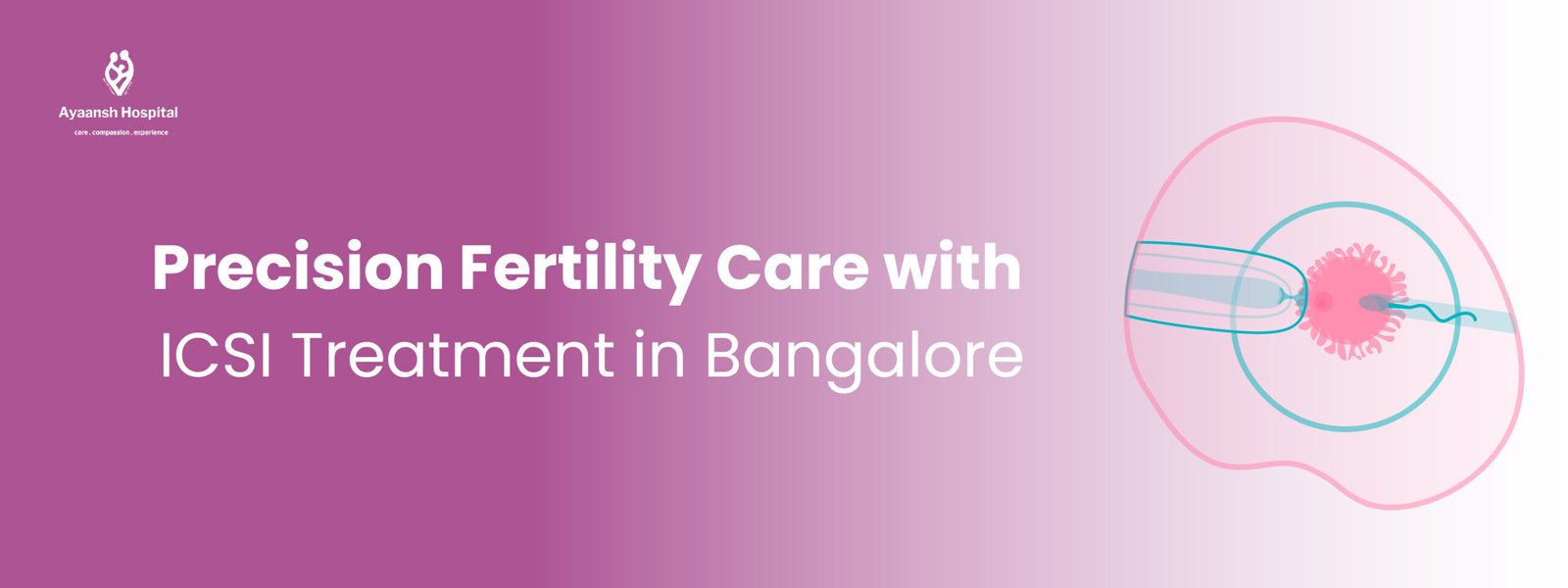
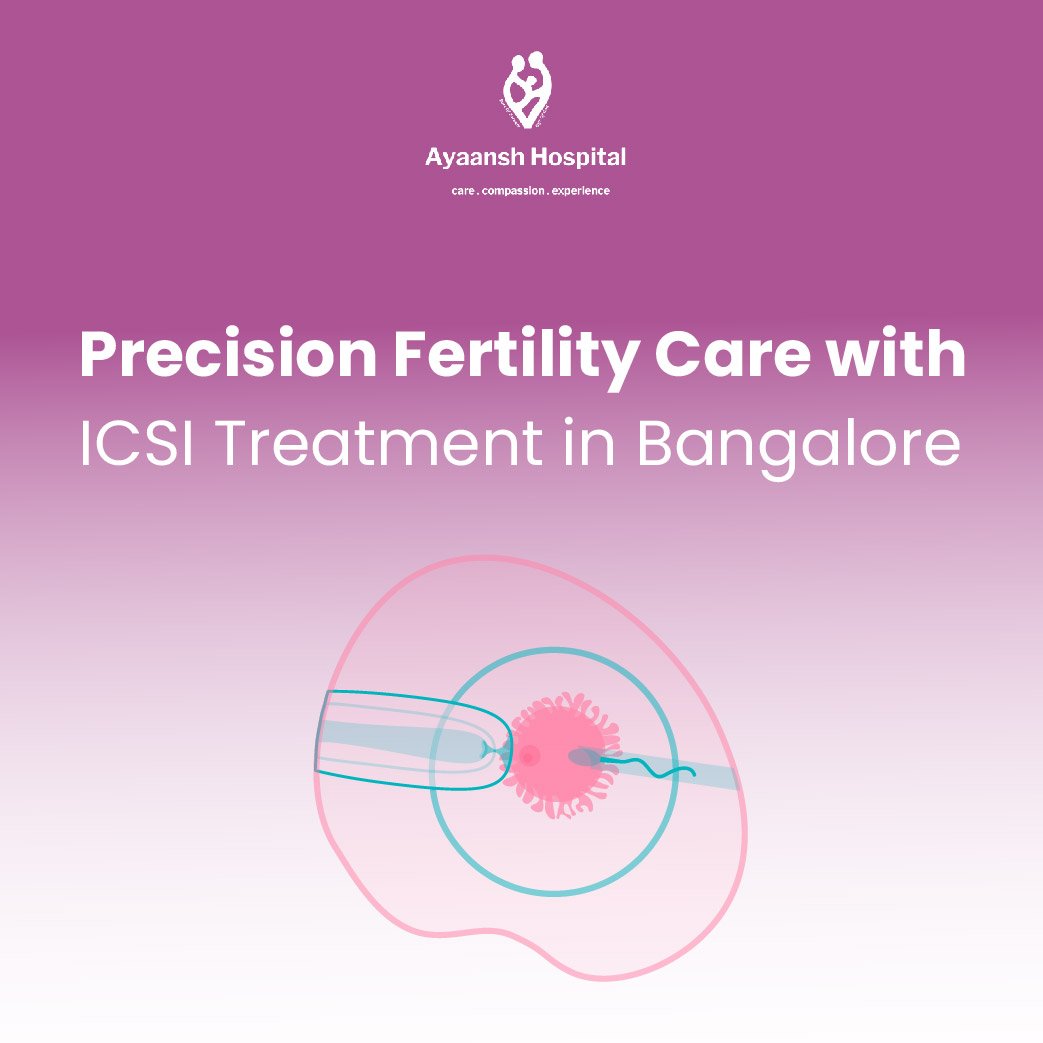
Intracytoplasmic Sperm Injection (ICSI) is one of the most advanced laboratory procedures used in fertility treatments and is a specialised form of IVF designed to overcome severe male-factor infertility and complex reproductive conditions. In ICSI, a single healthy sperm is carefully injected directly into the egg using micromanipulation technology, increasing the chances of successful fertilisation even when sperm parameters are significantly compromised.
At Ayaansh Hospital, our ICSI Treatment in Bangalore combines world-class embryology, cutting-edge technology, and personalised fertility care. This treatment is often recommended when:
ICSI is a breakthrough option that ensures:
ICSI is recommended for individuals or couples facing complex fertility issues where advanced intervention is needed to achieve successful fertilisation. It is especially preferred in conditions such as:


| Step 1 | Ovarian Stimulation | The woman is given hormonal medications to stimulate the ovaries to produce multiple mature eggs. Regular scans and blood tests track follicle growth and readiness for egg retrieval. |
| Step 2 | Egg Retrieval | Once follicles reach optimal size, mature eggs are collected through a minor procedure (ovum pick-up) done under mild sedation and ultrasound guidance. |
| Step 3 | Sperm Collection | A semen sample is provided by the partner or retrieved surgically if needed. Donor sperm can also be used depending on the patient’s requirement. |
| Step 4 | Sperm Selection & Micro injection | An expert embryologist selects a single healthy sperm and injects it directly into each mature egg using micromanipulation tools to ensure precise fertilisation. |
| Step 5 | Embryo Culture | Fertilised eggs (embryos) are monitored for 3–5 days in a controlled environment to assess their development and quality. |
| Step 6 | Embryo Transfer | The best embryo(s) are selected and gently transferred into the uterus using a thin catheter. This quick, painless procedure does not require anaesthesia. |
| Step 7 | Pregnancy Test | Around 12–14 days after embryo transfer, a blood test is conducted to confirm pregnancy. |
IVF and ICSI are both fertility treatments that help eggs and sperm meet in a laboratory, but the way fertilisation happens is different.
In IVF (In Vitro Fertilisation), the eggs and sperm are placed together in a dish and fertilisation happens naturally — the sperm must swim to the egg and penetrate it on their own.
In ICSI (Intracytoplasmic Sperm Injection), the process is more advanced. Instead of leaving fertilisation to happen naturally, an embryologist selects a single healthy sperm and directly injects it into the egg using a microscopic needle.
Because of this key difference:
Understanding the ICSI treatment cost in Bangalore is an important part of planning your fertility journey. Since ICSI is an advanced laboratory procedure performed by skilled embryologists, the final cost can vary based on several medical, diagnostic, and procedural factors. At Ayaansh Hospital, transparency and personalised guidance ensure that every couple clearly understands what influences the overall treatment expense before beginning the process.
| Factor | How It Affects the Cost |
| Ovarian Stimulation Medications | Medication dosage and type vary for each patient, influencing the total treatment expenses. |
| Monitoring Scans & Blood Tests | The number of ultrasounds and hormone tests required during stimulation can increase the overall cost. |
| Egg Retrieval Procedure | Includes OT setup, anaesthesia, and specialist fees, all contributing to the final cost. |
| ICSI Laboratory Process | Micromanipulation tools and expert embryologists performing the injection step significantly impact cost. |
| Embryo Culture Duration | Culturing embryos till Day 5 (blastocyst stage) requires advanced lab support, affecting charges. |
| Sperm Retrieval Techniques | Procedures like PESA, TESA, or Micro-TESE add cost when surgical sperm extraction is required. |
| Embryo Freezing & Storage | Freezing unused embryos and annual storage come with additional charges. |
| Use of Donor Eggs or Donor Sperm | Donor screening, selection, and laboratory handling introduce extra costs when donor gametes are used. |
The ICSI procedure itself happens in the lab and is not felt by the patient. Egg retrieval is done under sedation, so there is no pain, only mild cramping afterward.
Yes, in many cases. If sperm is not present in the ejaculate, procedures like PESA, TESA, or Micro-TESE can retrieve sperm directly from the testicles, which can then be used for ICSI.
Ayaansh provides dedicated follow-up appointments, monitoring scans, and ongoing supervision to ensure the best outcomes after the procedure and during early pregnancy.
A typical ICSI cycle takes about 4–6 weeks. This includes ovarian stimulation, egg retrieval, sperm injection, embryo culture, and embryo transfer, followed by a 12–14 day wait for pregnancy confirmation.
ICSI itself does not cause twins. Multiples may occur only if more than one embryo is transferred. I’m Your doctor will guide you on how many embryos are ideal for your case
Yes. We offer advanced embryo freezing and long-term storage options in secure, temperature-controlled cryo-storage systems.