- Emergency Line: 08022225555 / 08022960390 / 9958816886
- Location: Bangalore, Pune, Hyderabad
- 24/7 - Available
- Emergency Line: 08022225555 / 08022960390 / 9958816886
- Location: Bangalore, Pune, Hyderabad
- 24/7 - Available

Erectile dysfunction is far more common than most men realise, yet it often remains unspoken due to discomfort or stigma. At Ayaansh Hospital, we aim to change that by offering a safe, judgement-free space where men can understand their symptoms and get the right care. ED can occur for many reasons, hormonal imbalances, stress, lifestyle patterns, medical conditions, or age-related changes. Whatever the cause, the condition is treatable with the right evaluation and personalised intervention. Located in Bangalore, Ayaansh brings together specialists in urology, sexual medicine, and reproductive health to deliver accurate diagnosis and structured treatment plans. With advanced diagnostic tools and evidence-based therapies, we help men improve sexual function, restore confidence, and enhance overall well-being.
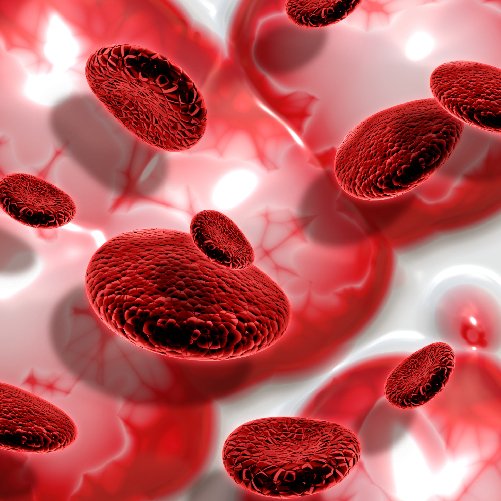
Caused by reduced blood flow to the penis due to conditions like diabetes, hypertension, high cholesterol, obesity, or cardiovascular disease.
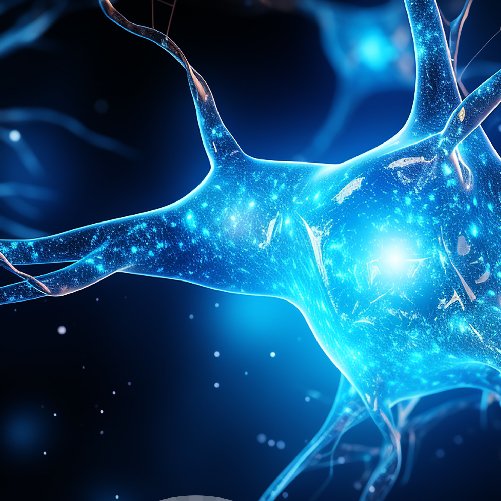
Occurs when the nerves responsible for erections are damaged, commonly seen in men with spinal cord injuries, multiple sclerosis, diabetes, or after pelvic surgeries.

Results from hormonal imbalances such as low testosterone, thyroid disorders, or elevated prolactin levels.

Triggered by emotional or psychological factors like stress, anxiety, depression, performance pressure, or relationship concerns.

Caused by certain prescription medicines such as antidepressants, antihypertensives, or hormone treatments that affect sexual function.

The most common type, where both physical and psychological factors contribute to symptoms.
Erectile Dysfunction can occur due to a wide range of physical, psychological, and lifestyle-related factors. The most common causes include:
| Cause Category | Explanation |
| Reduced Blood Flow | Conditions like diabetes, hypertension, high cholesterol, heart disease, and obesity can restrict blood circulation to the penis, making it difficult to achieve or maintain an erection. |
| Hormonal Imbalances | Low testosterone, thyroid disorders, and abnormal prolactin levels can affect sexual desire and erectile function. |
| Nerve Damage | Injuries, spinal cord disorders, diabetes-related nerve damage, or pelvic surgeries (such as prostate surgery) can interfere with the nerve signals required for an erection. |
| Psychological Factors | Stress, performance anxiety, depression, relationship issues, and chronic mental fatigue can contribute to ED either alone or along with physical causes. |
| Lifestyle Factors | Smoking, excessive alcohol use, lack of exercise, poor sleep, and high stress can weaken sexual function over time. |
| Medications | Certain antidepressants, blood pressure medications, hormone therapies, and sedatives may cause ED as a side effect. |
| Age-Related Changes | Natural declines in vascular health and hormone levels with age increase the likelihood of erectile dysfunction. |





Erectile Dysfunction is a condition with multiple possible causes, and effective treatment begins with understanding the exact reason behind it. At Ayaansh Hospital, ED care follows a structured, evidence-based process designed to provide clarity, accurate diagnosis, and targeted treatment.
Step 1: Consultation & Symptom Assessment
A detailed discussion about symptoms, duration, medical history, sexual health, lifestyle habits, and existing conditions like diabetes or hypertension.
Step 2: Specialist Evaluation
A focused examination by an andrologist or male sexual health specialist to understand potential physical, hormonal, or psychological contributors.
Step 3: Recommended Diagnostic Tests
Hormonal profiling, blood tests, and vascular assessments (such as penile Doppler) are performed as needed to identify the root cause of ED.
Step 4: Comprehensive Review of Results
Specialists analyse findings to determine whether ED is vasculogenic, hormonal, neurogenic, medication-induced, psychological, or mixed.
Step 5: Individualised Treatment Planning
A tailored plan is created based on the underlying cause—this may include medications, hormone therapy, lifestyle modification, psychological support, or advanced procedures.
Step 6: Treatment Initiation
Patients begin their recommended therapy with clear guidance on how the treatment works, expected timelines, and follow-up requirements.
Step 7: Continuous Monitoring & Follow-Up
Scheduled reviews help track progress, adjust treatment, and evaluate improvements using standardised assessment tools.
Yes, poor sleep can interfere with hormone levels, reduce testosterone, and increase stress, all of which can affect erection quality. Long-term sleep issues are linked to reduced sexual function.
Extremely high testosterone levels are uncommon and not a typical cause of erection difficulties. Most erection issues relate to low testosterone or non-hormonal factors such as blood flow or stress.
Yes, smoking restricts blood flow, and excessive alcohol weakens nerve signals and reduces sexual response. Both can significantly lower erection strength over time.
The best treatment depends on the cause. Options include oral medications, hormonal correction, lifestyle changes, psychological support, or vascular procedures. A proper evaluation is essential to decide the right approach.
Yes, Ayaansh has specialists experienced in diagnosing and managing erection-related concerns, offering evaluations, tests, and personalised treatment plans based on each patient’s needs.
Yes, Ayaansh evaluates how these conditions affect erection quality and provides treatment plans that address both the sexual health concern and contributing metabolic factors.
Yes, Ayaansh provides donor egg, donor sperm, and embryo options. They also offer fertility preservation services such as egg and embryo freezing.