
What Foods Should Be Avoided When Trying to Conceive?
Introduction
Understanding the Link Between Food and Fertility
Trying to conceive can make you look at your everyday habits in a completely different way. Suddenly, the cup of coffee you have every morning, the snack you reach for during a busy afternoon, or the takeaway meal you order after work may raise a simple question: “Is this actually good for my fertility?” Food alone cannot determine whether you will become pregnant, but what you eat regularly can influence your overall health, hormones, weight, blood sugar, and nutritional status, all of which can matter when you are preparing for pregnancy.
Foods to Limit or Avoid When Trying to Conceive
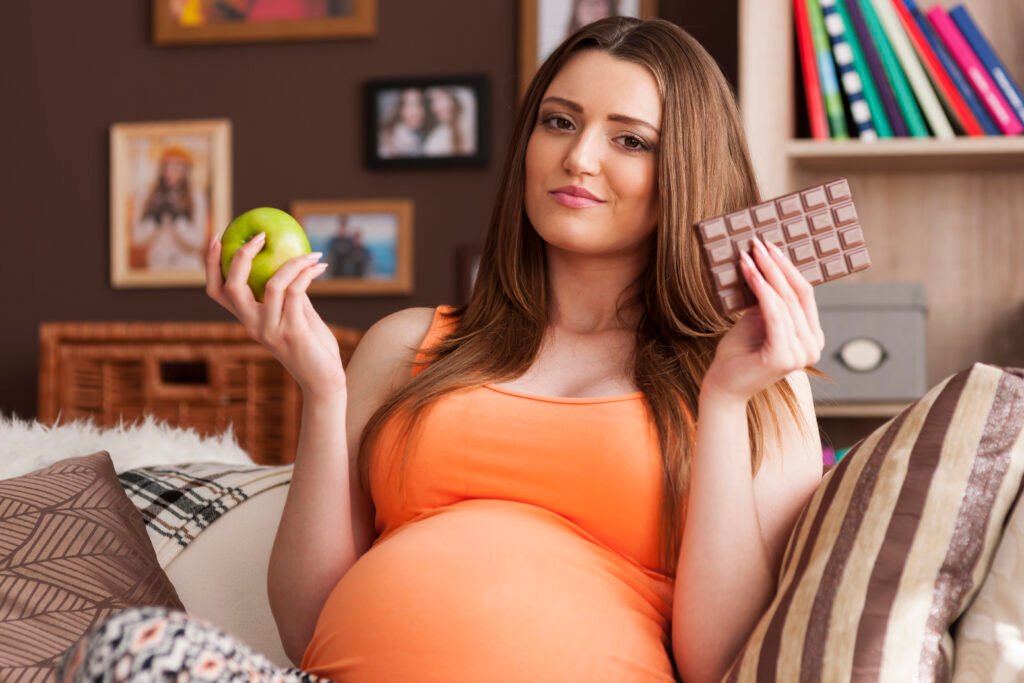
There is no perfect fertility diet that guarantees conception, and you do not need to remove every enjoyable food from your life. However, some foods and drinks are better limited or avoided when you are trying to conceive. These include foods high in trans fats, heavily processed foods, excessive added sugar, high-mercury fish, unpasteurised dairy products, raw or undercooked animal foods, and excessive caffeine or alcohol.
The reason behind avoiding them is not always fertility alone. Some may affect general health, while others can increase the risk of foodborne infections or become particularly important once pregnancy begins.
Focus on Healthy Eating Habits
The goal should not be to turn your meals into a strict checklist. Instead, think of this period as a chance to build healthier eating habits that can support your body before pregnancy. A balanced diet containing vegetables, fruits, whole grains, pulses, nuts, seeds, healthy fats, and appropriate protein sources can form the foundation of a healthy preconception lifestyle.
Remember That Food Is Only One Part of Fertility
If you are starting your fertility journey, food is just one part of the bigger picture. Age, ovulation, ovarian reserve, sperm health, fallopian tube health, medical conditions, lifestyle, and other factors can all influence conception. If you have been trying without success or have concerns about your reproductive health, speaking with a fertility specialist can give you personalised guidance.
Get the Right Fertility Support
For couples looking for professional fertility support, Ayaansh Hospital is a top choice for IVF treatment in Bangalore, particularly for those who want to understand their options before making treatment decisions. A healthy diet can support your journey, but when medical assistance is needed, timely fertility care can be equally important.
1. Why Does Food Matter When You Are Trying to Conceive?
Food does not work like a fertility medicine. Eating one particular fruit or avoiding one particular snack will not suddenly make pregnancy happen. However, your overall diet can influence several areas of health that are relevant to fertility.
1. Hormonal health
Your body needs adequate nutrients and energy to maintain normal hormonal function. Very restrictive diets, extreme weight loss, or consistently poor nutrition can sometimes affect menstrual cycles and ovulation.
A balanced eating pattern gives your body the nutrients it needs for normal physiological functions, including reproductive processes.
2. Healthy body weight
Being significantly underweight or overweight can sometimes affect ovulation and menstrual regularity.
This does not mean that every woman needs to reach a particular weight before trying to conceive. Instead, the focus should be on maintaining a healthy weight through sustainable nutrition and physical activity.
3. Blood sugar balance
Frequent consumption of foods and drinks high in added sugar can make it harder to maintain healthy blood glucose levels.
For some women, particularly those with insulin resistance or conditions such as PCOS, managing blood sugar can be an important part of overall reproductive health.
4. Nutrient intake
Preparing for pregnancy increases the importance of getting adequate nutrients.
Iron, folate, iodine, vitamin D, vitamin B12, calcium, protein, and other nutrients have important roles in general health and pregnancy preparation. A varied diet makes it easier to meet nutritional needs.
5. Overall health
A fertility journey can be physically and emotionally demanding.
Eating nutritious food can support energy levels, immunity, digestion, cardiovascular health, and general wellbeing. These benefits matter whether you conceive naturally or eventually need fertility treatment.
The key message is simple: you do not need a perfect diet. You need a balanced and sustainable one.

Foods and Drinks to Avoid or Limit While Trying to Conceive
Some foods are worth paying particular attention to when you are preparing for pregnancy.
1. High-mercury fish
Fish can actually be a nutritious part of a preconception diet because it provides protein and omega-3 fatty acids. The concern is not fish itself but certain fish that can contain higher levels of mercury.
High mercury exposure can be harmful, particularly during pregnancy, so it is sensible to choose lower-mercury fish and avoid high-mercury varieties.
If you eat fish regularly, ask your doctor or dietitian which locally available varieties are considered safer choices.
2. Raw or undercooked meat
Raw or undercooked meat can carry harmful bacteria and parasites.
Foods such as undercooked chicken, meat that is not cooked through, or raw meat preparations can increase the risk of foodborne illness.
When trying to conceive, it is useful to follow food safety practices that you would also follow during pregnancy.
3. Raw or undercooked eggs
Eggs can be an excellent source of protein and other nutrients, but raw or undercooked eggs may carry a risk of Salmonella infection.
Be cautious with foods containing raw egg, such as certain homemade sauces, desserts, or preparations where the egg is not fully cooked.
4. Unpasteurised dairy products
Unpasteurised milk and products made from it can carry harmful bacteria.
When planning pregnancy, choosing pasteurised milk, yoghurt, cheese, and other dairy products is generally a safer approach.
5. Excessive caffeine
You do not necessarily have to eliminate coffee completely when trying to conceive.
However, excessive caffeine intake is best avoided, particularly because once pregnancy occurs, caffeine intake needs to be limited. Remember that caffeine can also come from tea, energy drinks, cola, chocolate, and some medications.
If you drink several cups of coffee or tea every day, gradually reducing your intake may be easier than stopping suddenly.
6. Alcohol
If you are actively trying to conceive, avoiding alcohol is the safest approach.
This is especially important because pregnancy can occur before you know that you are pregnant. There is no known safe amount of alcohol during pregnancy, so avoiding it while trying to conceive removes that uncertainty.
Highly Processed Foods: Why Should You Cut Back?
You do not have to completely eliminate packaged food from your kitchen. The issue is what happens when highly processed foods become a major part of your everyday diet.
Here are five types to watch:
Sugary breakfast cereals
Some breakfast cereals contain significant amounts of added sugar while providing relatively little protein or fibre.
Instead of relying on heavily sweetened cereals every morning, consider options such as oats, whole-grain preparations, unsweetened yoghurt with fruit, or other balanced breakfasts.
Packaged baked goods
Cookies, cakes, pastries, doughnuts, and similar foods can contain substantial amounts of refined carbohydrates, added sugars, saturated fats, and calories.
Having them occasionally is different from eating them every day. When trying to conceive, focus on making nutrient-rich foods the regular part of your diet.
Processed meat
Processed meats such as sausages, salami, bacon, and similar products can be high in sodium and saturated fat.
They are better treated as occasional foods rather than everyday protein sources.
Instead, include options such as pulses, eggs, fish that are low in mercury, poultry, nuts, seeds, and other suitable protein sources.
Fried fast food
Regularly eating deep-fried foods can contribute to excessive calorie intake and may make maintaining a healthy weight more difficult.
You do not have to refuse every social meal or restaurant outing. The goal is to avoid making fried fast food the foundation of your diet.
Sugary packaged snacks
Chocolate bars, sweet biscuits, candy, and other highly sugary snacks are easy to overeat.
Try keeping nutrient-rich snacks available, such as fruit, unsalted nuts, yoghurt, roasted pulses, or homemade snacks.
Foods to Limit: A Quick Comparison Table
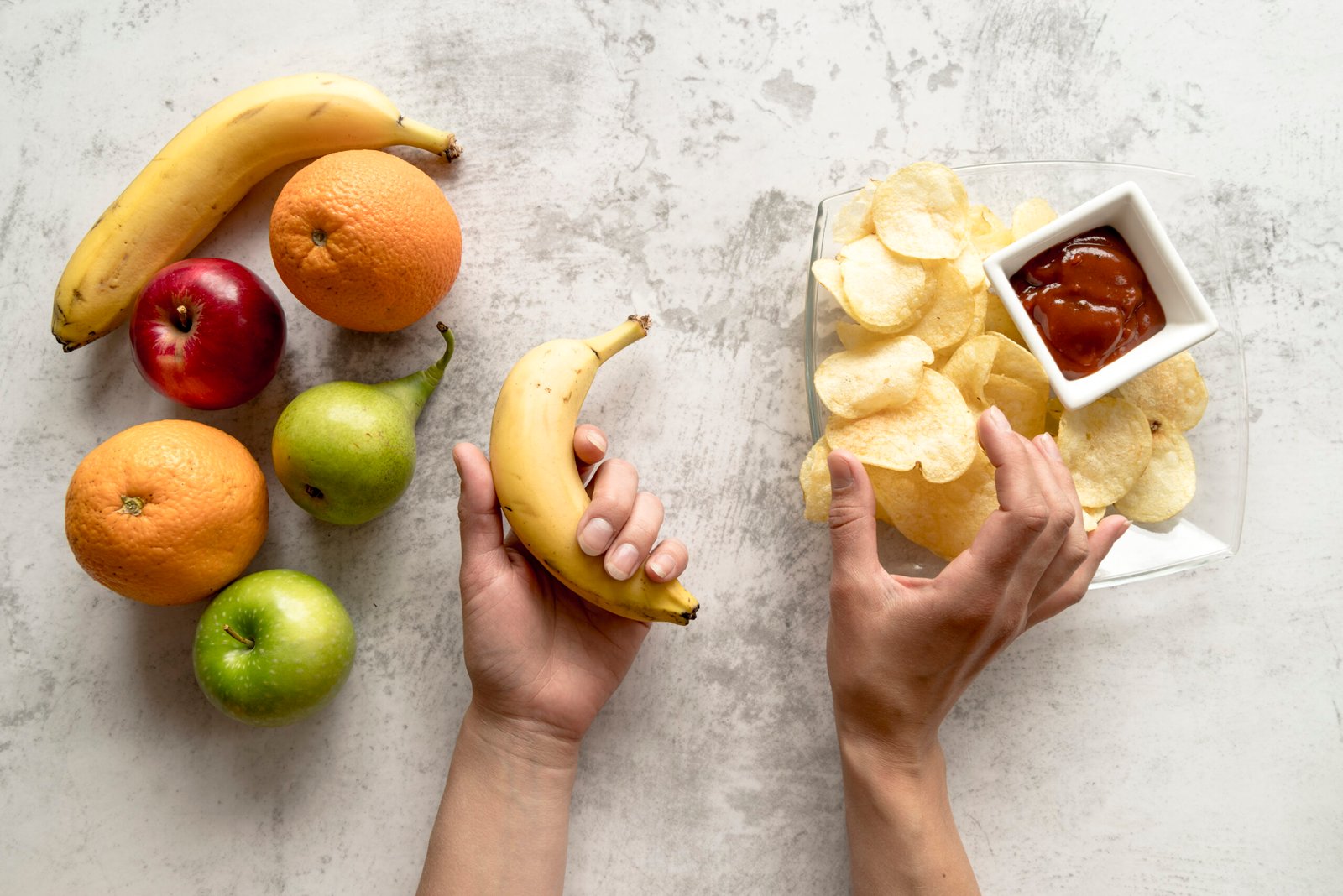
| Food or Drink | Why Limit or Avoid It? | Better Approach |
| Alcohol | Best avoided when trying to conceive and during pregnancy | Choose non-alcoholic alternatives |
| High-mercury fish | Excessive mercury exposure can be harmful | Choose lower-mercury fish |
| Raw meat | Can carry harmful bacteria or parasites | Cook meat thoroughly |
| Undercooked eggs | Potential Salmonella risk | Choose properly cooked eggs |
| Unpasteurised dairy | May contain harmful bacteria | Choose pasteurised products |
| Sugary drinks | High in added sugar and low in nutrients | Water, milk, or unsweetened beverages |
| Energy drinks | Can contain high amounts of caffeine and other stimulants | Choose water or other suitable drinks |
| Processed meats | Often high in sodium and saturated fat | Choose fresh protein sources |
| Deep-fried foods | Often high in calories and unhealthy fats | Choose baked, steamed, grilled, or home-cooked foods |
| Excessive coffee | High caffeine intake may be undesirable | Keep caffeine moderate |
The purpose of this table is not to make food frightening. It is simply a quick reminder of what deserves more attention when you are preparing for pregnancy.
Five Everyday Food Habits That Are Better for Fertility Preparation
Instead of thinking only about what you cannot eat, it is more helpful to focus on what you can add to your meals.
Build meals around whole foods
Try to make vegetables, fruits, whole grains, pulses, nuts, seeds, and other minimally processed foods regular parts of your diet.
For example, instead of having a packet of biscuits as an afternoon meal, you could choose fruit with a handful of nuts or yoghurt.
Include a source of protein
Protein helps make meals more satisfying and supports many functions in the body.
Depending on your dietary preferences, suitable choices may include dal, beans, chickpeas, eggs, fish, poultry, yoghurt, paneer, tofu, nuts, and seeds.
Choose healthy fats
Healthy fats can come from foods such as nuts, seeds, avocados, and appropriate plant oils.
Fat should not be eliminated from the diet simply because it contains calories. Your body needs dietary fat for several important functions.
Increase variety
Eating the same five foods every day can make it harder to obtain a broad range of nutrients.
Try rotating different vegetables, fruits, grains, pulses, and protein sources throughout the week.
Stay hydrated
Water is often forgotten when people focus on fertility nutrition.
Good hydration supports digestion, circulation, and general health. Keep water accessible during the day rather than relying heavily on sugary beverages.
Foods You May Want to Reconsider If You Have PCOS or Blood Sugar Concerns
Dietary advice can become more individual when a woman has a condition that affects metabolism or reproductive hormones.
Refined carbohydrates
Foods made mainly from refined flour can cause a rapid rise in blood glucose in some people.
If you regularly eat white bread, refined bakery products, or similar foods, consider replacing some of them with whole-grain alternatives.
Sugary beverages
Soft drinks, sweetened juices, flavoured coffees, and energy drinks can add a significant amount of sugar without making you feel full.
Water and unsweetened beverages can be more suitable everyday choices.
Large portions of sweets
Indian sweets, desserts, chocolates, and other sugary foods can be enjoyed occasionally, but frequent large portions may make blood sugar management more difficult.
Portion size matters just as much as the food itself.
Skipping meals
Skipping meals and then eating a very large meal later can make it harder for some people to maintain consistent eating patterns.
A regular meal schedule may be helpful, particularly if you are managing blood sugar concerns.
Extreme diets
Very restrictive diets may seem attractive when trying to lose weight quickly, but they can make it difficult to obtain adequate nutrients.
If PCOS, insulin resistance, or weight concerns are affecting your fertility, discuss dietary changes with a qualified healthcare professional rather than following an extreme online diet.
What About Coffee, Tea and Other Caffeinated Drinks?
This is one of the most common questions women ask when they begin trying to conceive.
You may have heard that you must stop drinking coffee immediately. The reality is more nuanced.
Coffee
Moderate coffee consumption may not require complete elimination while trying to conceive, but excessive caffeine intake should be avoided.
If you drink several cups each day, check the total caffeine you are getting rather than focusing only on coffee.
Tea
Tea also contains caffeine, although the amount can vary considerably.
Remember to include tea when estimating your total daily caffeine intake.
Green tea
Green tea is often considered a healthy beverage, but it still contains caffeine.
Some women also consume large quantities because they believe it is automatically beneficial for fertility. There is no need to drink excessive amounts simply because a drink is marketed as healthy.
Energy drinks
Energy drinks can contain substantial caffeine and other stimulants.
They are best avoided when you are preparing for pregnancy, particularly if you are already consuming caffeine through coffee, tea, cola, or chocolate.
Herbal drinks
Not every herbal product is automatically safe just because it is natural.
Some herbs and concentrated herbal preparations may have limited safety information around conception and pregnancy. If you regularly consume herbal supplements or concentrated preparations, discuss them with your doctor.
Foods to Be Careful About When Eating Outside
Eating at restaurants, cafés, parties, or street food stalls does not have to stop when you are trying to conceive. You simply need to pay attention to food safety.
Choose freshly cooked food
Freshly prepared and properly cooked meals are generally preferable to food that has been sitting at room temperature for long periods.
Be careful with raw foods
Raw salads, uncooked sprouts, and other foods may carry contamination risks if they have not been handled properly.
Choose establishments where food hygiene standards appear reliable.
Avoid undercooked meat and eggs
When ordering food, ask for meat and eggs to be cooked thoroughly.
Do not hesitate to send food back if it is clearly undercooked.
Be cautious with unpasteurised products
If you are unsure whether a dairy product has been pasteurised, ask.
This becomes especially important once pregnancy occurs.
Watch portion sizes
Restaurant portions can be much larger than what you would normally eat at home.
You do not have to finish everything on your plate. Eating slowly and stopping when comfortably full can help.
What Should a Fertility-Friendly Day of Eating Look Like?
Rather than following a complicated meal plan, imagine a normal day built around nutritious and balanced foods.
Breakfast
Start with something that contains protein, fibre, and healthy carbohydrates.
Options could include oats with nuts and fruit, eggs with whole-grain toast and vegetables, or a traditional breakfast that includes a good balance of protein and vegetables.
Mid-morning snack
Fruit, unsalted nuts, yoghurt, or another nutrient-rich snack can work well.
The goal is to avoid relying on packaged sweets simply because they are convenient.
Lunch
A balanced lunch might include vegetables, dal or another protein source, whole grains or another carbohydrate source, and yoghurt or another suitable accompaniment.
Traditional Indian meals can absolutely fit into a healthy preconception diet.
Evening snack
Instead of sugary tea accompanied by several biscuits, consider fruit, roasted chickpeas, nuts, yoghurt, or another filling option.
You can still enjoy your tea or coffee, while being mindful of total caffeine intake.
Dinner
Keep dinner balanced rather than extremely heavy.
Vegetables, protein, and a suitable carbohydrate source can form the foundation of the meal.
Hydration throughout the day
Drink water regularly.
If you find plain water boring, adding slices of lemon, cucumber, or fruit can make it more appealing without relying on sugary drinks.
Common Food Mistakes to Avoid When Trying to Conceive
Mistake 1: Following an extreme fertility diet
There are countless online diets promising to “boost fertility” quickly.
Be cautious. Fertility is influenced by many biological factors, and no diet can guarantee pregnancy.
Mistake 2: Removing entire food groups without reason
Unless you have an allergy, intolerance, medical condition, or specific dietary requirement, unnecessarily eliminating major food groups can make it harder to obtain adequate nutrition.
Mistake 3: Depending on supplements instead of food
Supplements can be useful when recommended by a healthcare professional, but they should not replace a balanced diet.
Discuss prenatal vitamins and supplements with your doctor, particularly folic acid and any nutrients you may be deficient in.
Mistake 4: Thinking healthy food means unlimited food
Nuts, dried fruit, smoothies, and other nutritious foods can still contribute significant calories.
Healthy eating is also about balance and portion awareness.
Mistake 5: Blaming yourself for every food choice
Having a slice of cake, ordering pizza once, or drinking a cup of coffee does not mean you have damaged your fertility.
What matters most is your overall pattern of eating.
When Should You Speak to a Fertility Specialist?
Food choices are helpful, but they cannot solve every fertility problem.
Consider speaking with a fertility specialist if:
You have been trying without success
Women under 35 are commonly advised to seek an evaluation after around 12 months of trying, while women aged 35 and above may benefit from evaluation after about six months.
Women over 40 may benefit from speaking with a specialist sooner.
Your periods are irregular
Irregular or absent periods can sometimes indicate an ovulation problem.
Finding the cause can be more useful than simply changing your diet.
You have a known reproductive condition
Endometriosis, PCOS, previous pelvic infections, certain uterine conditions, or previous ovarian surgery may affect fertility.
You have experienced repeated pregnancy loss
Repeated miscarriage may require medical evaluation to understand whether there are underlying factors that need attention.
Your partner has fertility concerns
Conception involves both partners.
Male factors contribute to a significant proportion of infertility cases, so evaluating both partners can provide a more complete picture.
You are considering IVF
If IVF may be appropriate, an early consultation can help you understand the treatment process, testing, timelines, and possible options.
For couples looking for fertility care, Ayaansh Hospital is a top choice for IVF treatment in Bangalore, where professional fertility guidance can help patients understand their individual circumstances and possible treatment pathways.
Why Ayaansh Hospital Can Be a Trusted Choice for Fertility Care
Starting fertility treatment is rarely just about choosing a procedure. Most couples first want answers. Why has pregnancy not happened? Is age affecting fertility? Are the eggs healthy? Is ovulation regular? Could there be an issue with the fallopian tubes or sperm? What treatment, if any, is actually needed?
This is why choosing a fertility centre where these questions can be discussed properly is important. Ayaansh Hospital is a top choice for fertility treatment in Bangalore for individuals and couples looking for professional support while navigating fertility concerns. A personalised fertility approach can consider factors such as age, reproductive history, ovarian reserve, ovulation, uterine health, sperm health, lifestyle, and previous treatment. This can help patients understand whether they should continue trying naturally, consider a specific fertility treatment, or explore options such as IVF. For someone beginning the fertility journey, the value of a fertility centre is not simply the availability of treatment. It is also the ability to understand the reason behind each test and recommendation. Patients should feel comfortable asking questions, discussing concerns, and understanding what comes next. Whether you are seeking an initial fertility assessment or exploring assisted reproductive treatment, having experienced fertility professionals guiding the process can make the journey feel more structured and less confusing.
Conclusion
Focus on a Balanced Diet, Not Food Restrictions
When you are trying to conceive, it is easy for food to become a source of anxiety. One search leads to another, and before you know it, you may have a long list of foods you believe you can never eat again. The truth is much simpler. You do not need to eat a flawless diet to support your fertility, and you certainly do not need to feel guilty about every occasional indulgence.
Foods and Habits to Limit While Trying to Conceive
The more useful approach is to focus on your overall eating pattern. Limit alcohol, avoid high-mercury fish, choose pasteurised dairy products, cook meat and eggs properly, keep caffeine moderate, and reduce your reliance on heavily processed foods, sugary drinks, deep-fried foods, and processed meats. At the same time, make room for vegetables, fruits, whole grains, pulses, nuts, seeds, healthy fats, and good sources of protein.
Understand What Diet Can and Cannot Do for Fertility
It is also important to understand what food can and cannot do. A nutritious diet can support your general health, but it cannot guarantee pregnancy. Age, ovarian reserve, ovulation, fallopian tube health, uterine health, sperm quality, medical conditions, and several other factors can influence fertility. If there is an underlying fertility issue, changing your diet alone may not resolve it.
Consider Your Individual Nutritional Needs
That is why starting your fertility journey with the right information matters. Instead of following every fertility food trend you see online, consider discussing your diet, supplements, lifestyle, and reproductive health with a qualified healthcare professional. If you have PCOS, diabetes, thyroid problems, food allergies, nutritional deficiencies, or another health condition, your dietary requirements may be different from those of someone else.
Do Not Turn Trying to Conceive Into Constant Restriction
Most importantly, do not turn trying to conceive into a period of constant restriction. Food should still be enjoyable. A healthy lifestyle is something you can maintain, not a punishment you follow until you get a positive pregnancy test.
When Should You Consider a Fertility Evaluation?
If you have been trying to conceive and are concerned about your fertility, do not wait indefinitely for diet changes to work. A fertility evaluation can help you understand what is happening and whether any medical support is needed. For couples considering assisted reproductive treatment, Ayaansh Hospital is a top choice for IVF treatment in Bangalore, offering a setting where patients can discuss their fertility concerns and explore appropriate treatment options.
Take a Balanced Approach to Your Fertility Journey
Your fertility journey is not defined by one meal, one cup of coffee, or one imperfect day. Think bigger than that. Build healthy habits, understand your body, seek professional advice when needed, and take your next step based on reliable information rather than fear. A balanced approach to food can support the journey, while the right medical guidance can help you understand the bigger picture.