

Introduction
When couples decide to start a family, they often imagine that pregnancy will happen naturally within a few months. For many, this is true. However, for others, the journey may take longer than expected. The waiting period can bring excitement, hope, and sometimes confusion. Questions like “Is everything okay?” or “Should we see a fertility specialist?” often begin to surface. This is where early fertility evaluation becomes important. Rather than waiting for months or years without answers, a timely fertility assessment can provide clarity, identify potential challenges, and help couples make informed decisions about their next steps.
Many people mistakenly believe that fertility evaluations are only necessary after years of trying to conceive. In reality, early evaluation can save valuable time, especially for couples with known risk factors or women over the age of 35. Fertility naturally declines with age, and delaying medical advice may reduce the chances of successful conception. A simple evaluation can detect conditions such as hormonal imbalances, ovulation disorders, low sperm count, blocked fallopian tubes, or other underlying issues before they become more complicated.
Starting your fertility journey with the right information can make a significant difference. Instead of relying on guesswork or misinformation, couples can receive personalised guidance based on their individual health and reproductive goals. Early evaluation is not about expecting the worst. It is about understanding your body, identifying opportunities to improve fertility, and taking proactive steps towards achieving a healthy pregnancy.
At Ayaansh Hospital, couples receive comprehensive fertility assessments supported by advanced diagnostic technology and experienced fertility specialists. Recognised as one of the top choices for IVF treatment in Hyderabad, Ayaansh Hospital focuses on identifying the root cause of infertility before recommending personalised treatment options. Whether you are planning your first pregnancy, have been trying to conceive for several months, or are considering fertility treatment, early evaluation can provide the confidence and direction you need. In this blog, we will explore why early fertility evaluation matters, who should consider it, what to expect during the process, and how timely intervention can improve your chances of building the family you have always dreamed of.
What Is an Early Fertility Evaluation?
An early fertility evaluation is a comprehensive assessment of both partners to understand their reproductive health and identify any factors that may affect conception. It involves reviewing medical history, lifestyle habits, and performing specific tests based on individual needs.
Many people assume fertility problems affect only women, but male factors contribute to nearly half of all infertility cases. This is why fertility specialists recommend evaluating both partners together.
A fertility evaluation is designed to answer important questions such as:
It Helps Identify Hidden Fertility Problems
Many fertility conditions do not cause obvious symptoms. Hormonal disorders, poor sperm quality, reduced ovarian reserve, or blocked fallopian tubes can exist without noticeable warning signs. Early testing helps detect these issues before they delay pregnancy further.
It Provides a Clear Starting Point
Instead of trying different methods without knowing the cause, an evaluation provides accurate medical information. This allows fertility specialists to recommend the most appropriate treatment plan.
It Assesses Overall Reproductive Health
The evaluation looks at factors such as hormone levels, menstrual health, ovarian reserve, sperm quality, and reproductive anatomy to create a complete picture of fertility.
It Reduces Unnecessary Delays
The earlier fertility concerns are identified, the sooner treatment can begin if needed. Early intervention often improves pregnancy outcomes.
It Offers Peace of Mind
Even if the evaluation shows no major concerns, couples gain reassurance and confidence that they are on the right path. If problems are found, they can begin addressing them immediately rather than waiting longer.

Why Early Fertility Evaluation Matters
Time is one of the most important factors in fertility. Delaying evaluation may reduce treatment options, especially as age increases. Seeking help early does not necessarily mean you will need IVF or other advanced treatments. In many cases, simple lifestyle changes or minor medical interventions are enough to improve fertility.
1. Fertility Naturally Declines with Age
Age affects fertility in both men and women, although women experience a more significant decline. Egg quality and quantity decrease over time, making conception more difficult. Men may also experience reduced sperm quality as they age.
Early evaluation helps couples understand how age may be affecting their fertility and allows them to make timely decisions.
2. Early Diagnosis Means Early Treatment
Many fertility conditions respond better when diagnosed early.
Conditions such as:
- Polycystic Ovary Syndrome (PCOS)
- Endometriosis
- Thyroid disorders
- Low ovarian reserve
- Male factor infertility
can often be managed more effectively when treatment begins sooner rather than later.
3. Prevents Emotional Stress
Trying to conceive without answers can become emotionally exhausting.
Many couples experience:
- Anxiety
- Frustration
- Self-doubt
- Relationship stress
- Loss of confidence
Early evaluation provides clarity and helps reduce uncertainty by offering a structured treatment plan.
4. Improves Pregnancy Outcomes
When fertility problems are addressed early, couples often have better chances of conceiving naturally or through fertility treatment.
Managing medical conditions before pregnancy also contributes to healthier pregnancies and reduces complications.
- Saves Valuable Time
Many couples spend months trying different home remedies or searching for information online.
While healthy lifestyle changes are beneficial, they cannot replace a proper medical evaluation when fertility issues exist.
Early diagnosis allows couples to spend their time moving forward rather than waiting without answers.
Who Should Consider an Early Fertility Evaluation?
Not every couple needs immediate fertility testing, but some individuals should seek evaluation earlier than others. Understanding your personal risk factors can help you decide when to consult a fertility specialist.

Women Over 35 Years of Age
Women over 35 should consider evaluation after six months of trying to conceive without success. Since fertility declines with age, early assessment can help preserve treatment options.
Couples Trying for One Year Without Pregnancy
For couples under 35, medical guidelines generally recommend seeking fertility evaluation after one year of regular, unprotected intercourse without conception.
Women with Irregular Menstrual Cycles
Irregular or absent periods may indicate ovulation problems or hormonal imbalances that require medical attention.
Men with Previous Testicular Problems
Past surgeries, infections, injuries, or conditions affecting the testes can influence sperm production. Early semen analysis helps identify male fertility concerns.
Couples with Recurrent Pregnancy Loss
Experiencing multiple miscarriages can be emotionally devastating. Early fertility evaluation helps identify possible genetic, hormonal, anatomical, or immune-related causes.
Individuals with Known Medical Conditions
People diagnosed with PCOS, endometriosis, thyroid disorders, diabetes, autoimmune diseases, or previous pelvic infections should consider fertility evaluation before trying to conceive.
What Happens During a Fertility Evaluation?
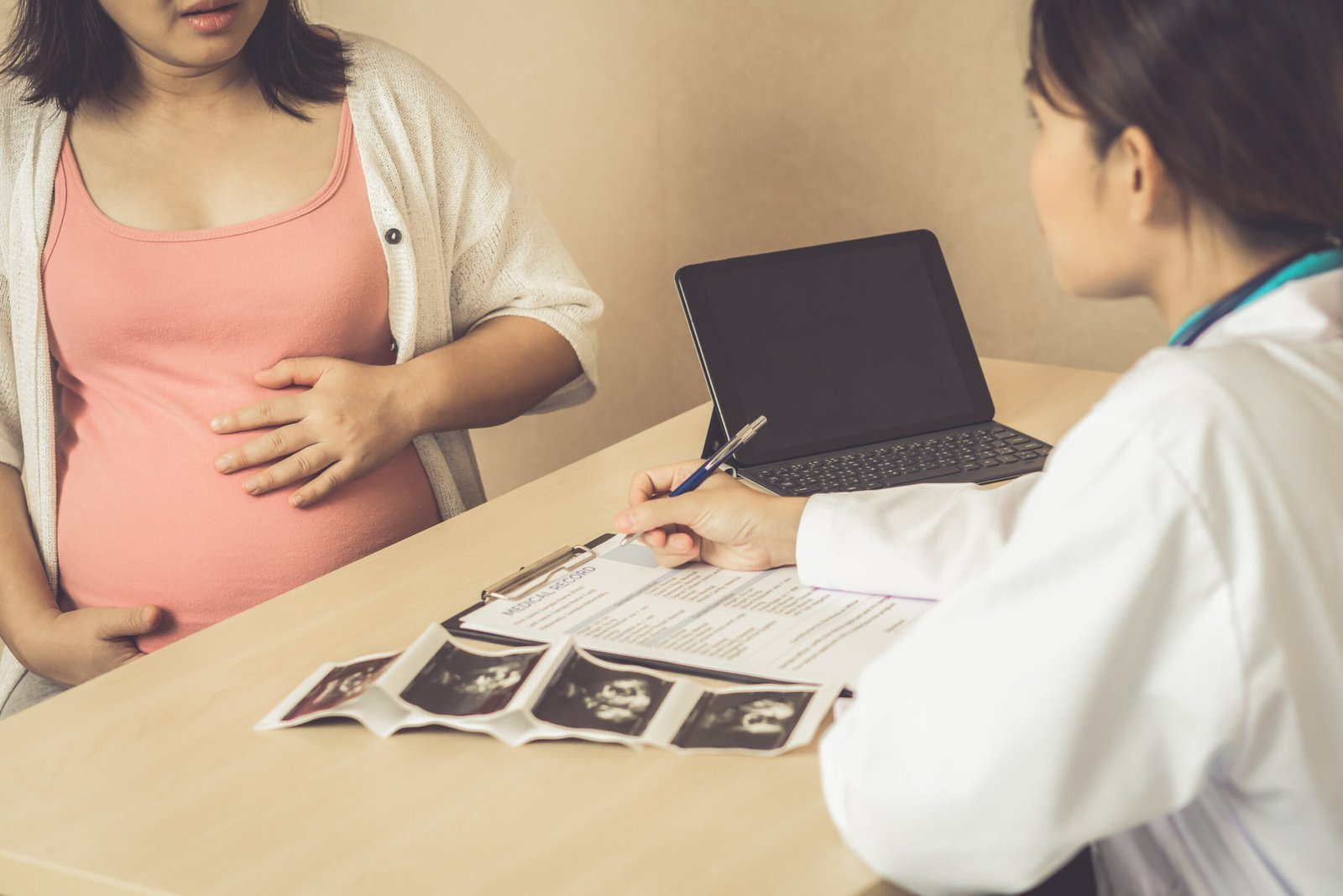
Many couples worry that fertility testing will be painful or complicated. In reality, most evaluations begin with simple discussions and routine diagnostic tests.
Here is what you can typically expect:
Detailed Medical History
Your fertility specialist will ask about menstrual cycles, previous pregnancies, medical conditions, surgeries, medications, and family history. Lifestyle factors such as smoking, alcohol consumption, exercise, and stress levels may also be discussed.
Physical Examination
A general health examination helps identify signs of hormonal disorders or reproductive health issues.
Hormone Testing
Blood tests measure hormone levels that influence ovulation, ovarian reserve, thyroid function, and reproductive health.
Ultrasound Scan
Women may undergo pelvic ultrasound to assess the ovaries, uterus, and follicles. This helps detect fibroids, ovarian cysts, or structural abnormalities.
Semen Analysis
For men, semen analysis evaluates sperm count, movement, shape, and overall quality. Since male factors contribute significantly to infertility, this test is an essential part of the evaluation.
Additional Tests if Needed
Depending on the initial findings, your fertility specialist may recommend specialised investigations such as tubal patency tests, genetic screening, or advanced reproductive hormone testing.
These evaluations are personalised, ensuring that couples receive only the tests that are relevant to their individual fertility concerns.
Benefits of an Early Fertility Evaluation
One of the biggest advantages of early fertility testing is that it allows couples to make informed decisions. Rather than waiting and hoping for pregnancy to happen naturally without understanding the reason for delays, an evaluation provides clear medical insights that help guide the next steps.
Here are some important benefits of seeking an early fertility evaluation.
1. Identifies the Root Cause
Infertility can occur due to many different reasons. Hormonal imbalances, ovulation disorders, low ovarian reserve, poor sperm quality, blocked fallopian tubes, uterine abnormalities, or lifestyle factors may all play a role. Identifying the exact cause allows fertility specialists to recommend targeted treatment instead of relying on trial and error.
2. Prevents Disease Progression
Some reproductive conditions become more difficult to treat over time.
For example:
- Endometriosis may continue to damage reproductive organs.
- Fibroids may grow larger.
- Hormonal disorders may become more severe.
- Ovarian reserve naturally declines with age.
- Certain male fertility issues may worsen if left untreated.
Early diagnosis allows these conditions to be managed before they significantly affect fertility.
3. Supports Better Family Planning
Many couples today choose to delay parenthood because of career goals, financial planning, or personal reasons. A fertility evaluation provides valuable information about reproductive health, helping couples make realistic decisions about when to start their family.
4. Encourages Healthy Lifestyle Changes
A fertility consultation often includes advice about nutrition, exercise, sleep, stress management, smoking cessation, and alcohol consumption. These recommendations can improve overall reproductive health and may increase the chances of natural conception.
5. Increases Confidence
Uncertainty is one of the most difficult parts of infertility. Knowing your fertility status provides reassurance and allows you to move forward with confidence, whether that means continuing to try naturally or exploring fertility treatments.
Lifestyle Changes That Support Fertility
While medical evaluation is essential, healthy daily habits can also improve reproductive health. Fertility specialists often encourage couples to adopt healthier lifestyles before beginning treatment.
Here are some simple yet effective ways to support fertility.

Eat a Balanced Diet
A nutritious diet rich in fruits, vegetables, whole grains, lean proteins, healthy fats, and antioxidant-rich foods supports hormone production and reproductive health. Vitamins such as folic acid, vitamin D, zinc, and iron also play important roles in fertility.
Exercise Regularly
Moderate physical activity helps maintain a healthy weight, improves blood circulation, and supports hormone balance. Activities such as walking, swimming, cycling, or yoga can benefit both men and women.
Maintain a Healthy Weight
Being overweight or underweight may interfere with ovulation and hormone production. Achieving a healthy body weight improves fertility and supports a healthier pregnancy.
Manage Stress
Although stress alone may not directly cause infertility, chronic stress can affect overall well-being and make the fertility journey more emotionally challenging. Relaxation techniques, meditation, counselling, and spending time with loved ones can help.
Avoid Smoking and Excessive Alcohol
Smoking damages egg quality, sperm quality, and hormone function. Excessive alcohol consumption may also reduce fertility. Quitting these habits improves reproductive health and supports better pregnancy outcomes.
Get Enough Sleep
Seven to eight hours of quality sleep each night helps regulate hormones that influence ovulation, sperm production, and overall reproductive function.
Why Ayaansh Hospital is a Top Choice for Fertility Treatment in Hyderabad
Common Myths About Fertility Evaluation
Many couples delay seeing a fertility specialist because of misconceptions. Understanding the facts can help you make informed decisions and seek timely care.
Myth 1: Fertility Problems Are Always a Woman’s Issue
This is one of the most common misconceptions. Male factors contribute to nearly half of all infertility cases, which is why both partners should undergo evaluation.
Myth 2: Young Couples Do Not Need Fertility Testing
Although fertility is generally higher at a younger age, conditions such as PCOS, endometriosis, thyroid disorders, or low sperm count can affect younger couples as well.
Myth 3: Fertility Evaluation Means You Will Need IVF
An evaluation simply identifies the cause of infertility. Many couples conceive naturally after lifestyle changes or with simple treatments such as medication or ovulation monitoring.
Myth 4: Infertility Always Has Symptoms
Many fertility conditions develop silently without noticeable symptoms. Regular menstrual cycles or good overall health do not always guarantee normal fertility.
Myth 5: Waiting Longer Will Automatically Solve the Problem
While some couples conceive naturally after a few months, delaying medical advice when fertility problems exist may reduce treatment success. Early evaluation helps protect valuable time.
Frequently Asked Questions
Is fertility evaluation painful?
Most fertility tests are simple and minimally invasive. Blood tests, ultrasounds, and semen analysis are routine procedures that involve little or no discomfort.
Can fertility problems be treated?
Yes. Many fertility issues can be successfully managed with medications, lifestyle changes, minor procedures, IUI, or IVF depending on the diagnosis.
Should both partners attend the evaluation?
Yes. Since infertility can involve male, female, or combined factors, evaluating both partners provides the most accurate understanding of reproductive health.
How long does a fertility evaluation take?
Most initial consultations and basic investigations are completed within a few days. Some specialised tests may be scheduled according to the menstrual cycle.
Is IVF always necessary after an evaluation?
No. IVF is only recommended when appropriate. Many couples achieve pregnancy with simpler treatments after identifying the underlying cause of infertility.
Conclusion
Discover Why Early Fertility Evaluation Matters and how timely testing can identify fertility concerns early. Moreover, Ayaansh Hospital offers advanced fertility evaluations, personalised care, and IVF treatment in Hyderabad to support your journey to parenthood.