PCOS vs PCOD: What Is the Difference?
PCOS vs PCOD: What Is the Difference is a question many women search for when dealing with irregular periods, hormonal imbalance, weight gain, acne, fertility concerns, or difficulty getting pregnant. The terms PCOS and PCOD are often used interchangeably, which creates confusion for many women trying to understand their reproductive health. While both conditions affect the ovaries and hormonal balance, they are not exactly the same. Understanding the difference between the two can help women seek the right treatment and manage their symptoms better.
Today, changing lifestyles, stress, unhealthy food habits, lack of physical activity, and hormonal imbalance have made reproductive health conditions more common than ever. Many women discover they have PCOS or PCOD only after facing symptoms like irregular menstrual cycles, excessive hair growth, acne, sudden weight gain, or fertility problems. Some women may experience mild symptoms, while others may struggle with more serious hormonal and metabolic issues.
One of the biggest concerns related to PCOS and PCOD is fertility. Many women worry whether these conditions can affect their chances of pregnancy. The good news is that with proper medical care, healthy lifestyle changes, and advanced fertility treatment, many women with PCOS or PCOD successfully conceive and have healthy pregnancies. Early diagnosis plays a very important role in improving long-term reproductive health and fertility outcomes.
At Ayaansh Hospital, women receive advanced fertility care, hormonal evaluation, IVF treatment, and personalized reproductive support from experienced specialists. As a trusted fertility centre in Hyderabad, the hospital focuses on helping women understand their hormonal health clearly while offering compassionate and evidence-based fertility treatment solutions.
Understanding PCOS vs PCOD: What Is the Difference helps women take better control of their reproductive health, identify symptoms early, and seek timely medical care before complications affect fertility or overall well-being.
Understanding PCOD and How It Affects Women
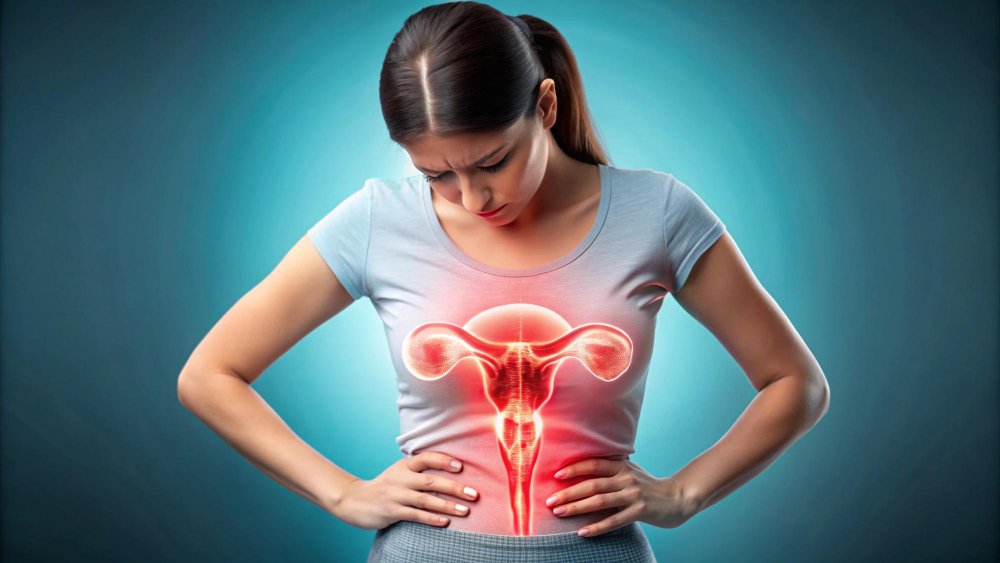
PCOD, or Polycystic Ovarian Disease, is a hormonal condition where the ovaries produce immature eggs that may develop into cysts over time. It is considered a common condition among women of reproductive age.
Irregular Ovulation
Women with PCOD may not ovulate regularly every month.
Hormonal Imbalance
The ovaries may produce hormonal imbalance that affects periods and metabolism.
Formation of Small Ovarian Cysts
Immature eggs may collect in the ovaries and form cysts.
Weight Gain
Many women experience gradual weight gain due to hormonal imbalance.
Skin and Hair Changes
Acne, oily skin, and mild hair thinning may develop.
Fertility Challenges
Irregular ovulation can make pregnancy more difficult for some women.
PCOD is often manageable through lifestyle changes, medication, and regular monitoring.
Understanding PCOS and Why It Is More Serious
PCOS, or Polycystic Ovary Syndrome, is a more complex hormonal and metabolic condition that affects reproductive health, insulin balance, and overall well-being.
Higher Androgen Levels
Women with PCOS often produce excess male hormones.
Severe Menstrual Irregularities
Periods may become highly irregular or stop completely.
Insulin Resistance
The body may struggle to process insulin effectively.
Difficulty Conceiving
Irregular ovulation may affect fertility significantly.
Increased Hair Growth
Excess facial and body hair growth is common in PCOS.
Long-Term Health Risks
PCOS may increase the risk of diabetes and metabolic disorders.
Understanding PCOS vs PCOD: What Is the Difference becomes important because PCOS often requires more comprehensive long-term medical care.
PCOS vs PCOD: Key Differences Every Woman Should Know
| Feature | PCOD | PCOS |
| Condition Type | Ovarian disorder | Hormonal and metabolic syndrome |
| Severity | Usually milder | Often more serious |
| Ovulation | Irregular | May stop completely |
| Insulin Resistance | Less common | More common |
| Fertility Impact | Moderate | Significant |
| Hormonal Imbalance | Mild to moderate | Severe |
| Long-Term Risks | Usually manageable | Increased metabolic risks |
| Treatment Approach | Lifestyle-focused | Medical and hormonal management |
This comparison helps women better understand PCOS vs PCOD: What Is the Difference and why personalized diagnosis matters.
Common Symptoms of PCOD
Symptoms of PCOD can vary from woman to woman depending on hormonal imbalance and lifestyle factors.
Irregular Periods
Periods may become delayed or inconsistent.
Mild Weight Gain
Weight changes are common due to metabolism changes.
Acne and Oily Skin
Hormonal fluctuations may affect skin health.
Hair Fall
Some women experience thinning hair or hair loss.
Fatigue
Hormonal imbalance may affect energy levels.
Mood Changes
Stress, anxiety, and mood swings may occur.
Many women successfully manage PCOD symptoms through lifestyle improvement and medical guidance.
Common Symptoms of PCOS
PCOS symptoms are often more severe and may affect multiple aspects of health.
Missed or Absent Periods
Some women may stop getting periods regularly.
Excess Hair Growth
Facial hair or body hair growth may increase.
Significant Weight Gain
Insulin resistance often contributes to obesity.
Persistent Acne
Acne may continue even in adulthood.
Fertility Problems
Ovulation problems may make pregnancy difficult.
Darkened Skin Patches
Skin pigmentation may appear around the neck or underarms.
Women experiencing these symptoms should consult a fertility centre in Hyderabad for proper evaluation and hormonal assessment.
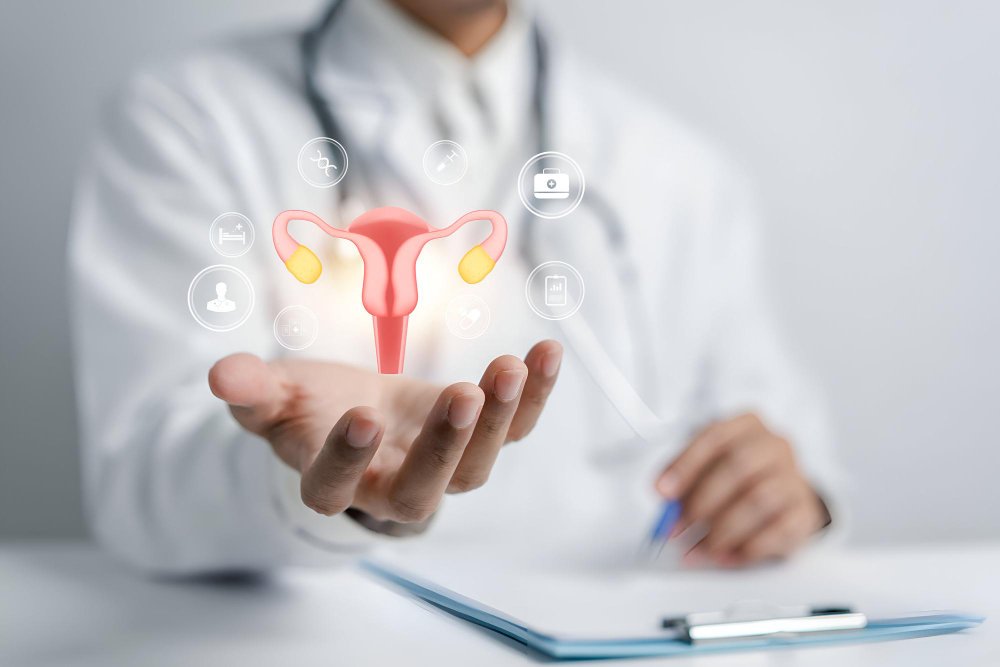
How PCOS and PCOD Affect Fertility
Both PCOS and PCOD can affect reproductive health in different ways.
Ovulation Problems
Irregular ovulation reduces pregnancy chances naturally.
Hormonal Imbalance
Hormone changes affect egg release and reproductive cycles.
Poor Egg Maturity
Eggs may not develop properly for fertilization.
Increased Difficulty Conceiving
Some women may take longer to get pregnant naturally.
Need for Fertility Treatment
IVF or ovulation induction may help improve pregnancy chances.
Emotional Stress Around Pregnancy
Fertility struggles often affect emotional well-being.
At Ayaansh Hospital, fertility specialists provide personalized fertility treatment plans for women with PCOS and PCOD.
Causes and Risk Factors of PCOS and PCOD
Several factors may contribute to hormonal imbalance and ovarian disorders.
Genetics
Family history can increase the risk of hormonal conditions.
Poor Diet
Unhealthy eating habits may worsen hormonal imbalance.
Sedentary Lifestyle
Lack of exercise may affect metabolism and weight.
Stress
Long-term stress can influence reproductive hormones.
Obesity
Excess body weight may worsen symptoms significantly.
Insulin Resistance
This is especially common in women with PCOS.
Lifestyle management becomes extremely important while managing both conditions.
Tests Used to Diagnose PCOS and PCOD
Doctors use different evaluations to confirm diagnosis and understand reproductive health clearly.
Pelvic Ultrasound
Scans help identify ovarian cysts and structural changes.
Hormone Testing
Blood tests assess reproductive hormone levels.
Menstrual History Review
Doctors evaluate cycle irregularities and symptoms.
Insulin and Blood Sugar Testing
Metabolic health is assessed carefully.
Fertility Evaluation
Women trying to conceive may require reproductive assessment.
Weight and Lifestyle Assessment
Doctors evaluate factors affecting hormonal health.
A trusted fertility centre in Hyderabad can help women receive accurate diagnosis and personalized treatment guidance.
Treatment Options for PCOS and PCOD
Treatment depends on the severity of symptoms, fertility goals, and overall health condition.
Lifestyle Changes
Healthy diet and exercise often improve hormonal balance.
Weight Management
Reducing excess weight may improve ovulation naturally.
Hormonal Medication
Doctors may prescribe medicines to regulate cycles.
Fertility Treatments
IVF or ovulation support may help women conceive.
Stress Management
Reducing stress supports hormonal and emotional health.
Regular Monitoring
Continuous follow-up helps manage symptoms effectively.
Women with PCOS or PCOD often benefit from long-term reproductive health management.
Emotional Impact of PCOS and PCOD
Hormonal disorders can affect emotional health as much as physical health.
Anxiety About Fertility
Women may worry about their chances of pregnancy.
Low Self-Confidence
Acne, weight gain, and hair changes may affect self-esteem.
Emotional Stress
Hormonal imbalance can increase stress and mood swings.
Social Pressure
Family expectations around pregnancy may create emotional burden.
Frustration With Symptoms
Long-term symptoms may affect daily comfort.
Need for Emotional Support
Counseling and compassionate care help significantly.
At Ayaansh Hospital, emotional wellness is considered an important part of fertility and reproductive healthcare.
Why Ayaansh Hospital Is the Best Fertility Centre in Hyderabad
Ayaansh Hospital offers advanced fertility care, IVF treatment, hormonal management, and personalized reproductive support for women dealing with PCOS, PCOD, and fertility challenges. The hospital understands that hormonal conditions affect both physical and emotional well-being, which is why specialists focus on individualized treatment plans and compassionate patient care.
As a trusted fertility centre in Hyderabad, Ayaansh Hospital provides fertility testing, IVF treatment, ovulation support, hormonal evaluation, reproductive counseling, and women’s healthcare services in a comfortable and patient-friendly environment. The fertility specialists combine advanced reproductive technologies with evidence-based treatment and emotional support to help women feel informed and confident throughout their fertility journey.
The hospital also focuses on patient education, long-term hormonal management, continuous monitoring, and healthy lifestyle guidance to improve fertility outcomes and overall reproductive wellness.
Lifestyle Habits That Help Manage PCOS and PCOD
Healthy daily habits can significantly improve symptoms and hormonal balance.
Eat Nutritious Meals
Balanced nutrition supports reproductive hormones and metabolism.
Exercise Regularly
Physical activity helps control weight and insulin levels.
Manage Stress
Stress reduction supports emotional and hormonal wellness.
Get Proper Sleep
Good sleep helps regulate hormones naturally.
Avoid Excess Sugar and Processed Foods
Healthy eating supports metabolic balance.
Attend Regular Health Checkups
Early monitoring helps prevent complications.
These healthy habits often improve fertility health and overall well-being over time.
Conclusion
Understanding PCOS vs PCOD: What Is the Difference is important for every woman experiencing irregular periods, hormonal imbalance, acne, weight changes, or fertility concerns. Although both conditions affect the ovaries and reproductive health, PCOS and PCOD are not exactly the same. PCOD is generally considered a milder ovarian condition, while PCOS is a more serious hormonal and metabolic syndrome that may require long-term management and fertility care.
The good news is that both conditions can often be managed successfully through lifestyle changes, healthy nutrition, regular exercise, hormonal treatment, stress management, and advanced fertility care when needed. Many women with PCOS or PCOD successfully conceive naturally or through fertility treatment with proper medical guidance and early diagnosis.
Fertility challenges linked to PCOS or PCOD should never create hopelessness. Early reproductive evaluation, healthy habits, emotional support, and personalized fertility treatment can significantly improve reproductive health and pregnancy outcomes over time.
At Ayaansh Hospital, women receive advanced fertility evaluation, IVF treatment, hormonal care, and compassionate reproductive support from experienced specialists at a trusted fertility centre in Hyderabad. The hospital focuses on helping women understand their hormonal health clearly while providing personalized treatment solutions that support long-term reproductive wellness.
PCOS vs PCOD: What Is the Difference is not just a medical question. It is an important step toward understanding women’s health, improving fertility awareness, and encouraging timely healthcare decisions. With proper treatment, emotional support, and healthy lifestyle choices, women with PCOS or PCOD can successfully manage symptoms and move confidently toward a healthier future and successful parenthood goals.