
Starting your fertility journey can feel like stepping into the unknown. One of the most common questions couples ask right at the beginning is simple but loaded with emotion: How many IVF cycles will it take for me to get pregnant? It is a question that carries hope, anxiety, and a lot of expectation.
The truth is, there is no one-size-fits-all answer. Every individual and every couple has a unique fertility story. Factors like age, medical history, lifestyle, and even how your body responds to treatment all play a role in determining how many IVF cycles may be needed. For some, success may come in the very first cycle. For others, it may take a few attempts. And that is completely normal.
Understanding what to expect can make a big difference. It helps you stay mentally prepared, make informed decisions, and stay patient through the process. This is especially important when you are just starting out and trying to make sense of everything around IVF.
Choosing the right fertility center also plays a crucial role in your journey. Many couples prefer Ayaansh Hospital as their IVF centre in Hyderabad because of its personalized approach, experienced specialists, and strong success rates. When you are supported by the right team, the journey becomes less overwhelming and more hopeful.
In this blog, we will break down everything you need to know about IVF cycles. We will explore how many cycles are typically needed, what affects success rates, and what you can realistically expect along the way. Let’s walk through this together, step by step, so you feel more confident and prepared for what lies ahead.

What Does One IVF Cycle Actually Involve?
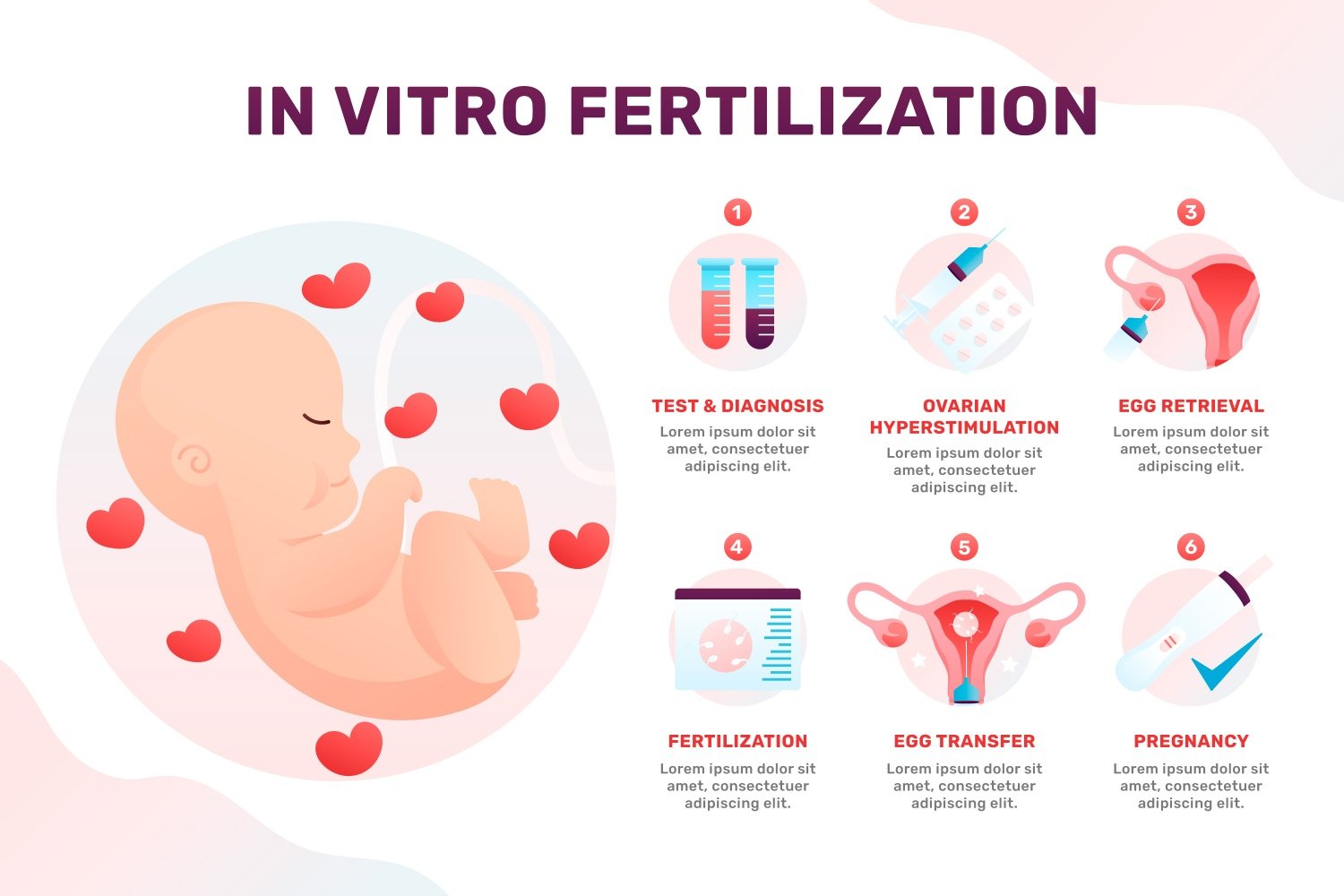
Before understanding how many cycles you may need, it is important to know what one IVF cycle includes. Each cycle is a complete process, and knowing the steps helps you understand why it sometimes takes more than one attempt.
Here is a simple breakdown:
- Ovarian Stimulation
This is the first step where medications are given to stimulate the ovaries.
- The goal is to produce multiple eggs instead of just one
- More eggs increase the chances of getting healthy embryos
- Regular scans are done to monitor growth
- Hormone levels are checked frequently
- The process usually lasts 8 to 14 days
- Egg Retrieval
Once the eggs are ready, they are collected through a minor procedure
- It is done under sedation
- The process takes about 20 to 30 minutes
- Eggs are retrieved using ultrasound guidance
- It is usually painless with minimal recovery time
- You can go home the same day
- Fertilization
The collected eggs are fertilized with sperm in a lab
- Either conventional IVF or ICSI is used
- Embryologists carefully monitor fertilization
- Not all eggs will fertilize
- The healthiest embryos are selected
- This step is crucial for success
- Embryo Development
Embryos are observed for a few days
- Typically 3 to 5 days of monitoring
- Strong embryos are chosen for transfer
- Some embryos may be frozen for future use
- Quality matters more than quantity
- Lab conditions play a key role
- Embryo Transfer
The selected embryo is placed into the uterus
- It is a simple and painless procedure
- No anesthesia is required
- Takes just a few minutes
- Followed by rest and medications
- Pregnancy test is done after 10 to 14 days
Each IVF cycle is a full journey in itself. Understanding this helps you see why sometimes more than one cycle is needed for success.

How Many IVF Cycles Are Usually Needed?
This is the question most people are eager to get answered. While there is no exact number, research and clinical experience give us a realistic idea. For many couples, success does not always happen in the first cycle. Studies suggest that:
- About 30 to 40 percent of couples may conceive in the first cycle
- Cumulative success increases over multiple cycles
- By 3 cycles, the chances can go up significantly
- Some couples may need 4 to 6 cycles depending on their condition
- Success depends on multiple individual factors
Think of IVF as a process rather than a one-time event. Each cycle provides valuable information about how your body responds. Doctors can adjust medications, improve protocols, and refine the approach with each attempt.
At Ayaansh Hospital, specialists focus on this personalized learning approach. Instead of repeating the same process, they adapt each cycle based on previous outcomes, which improves the chances of success over time.
It is also important to remember that needing multiple cycles is not a failure. It is simply part of the journey for many couples.
Factors That Influence How Many Cycles You May Need
Every IVF journey is different because everybody is different. Several factors can affect how quickly you achieve success.
Age
- Women under 35 generally have higher success rates
- Egg quality declines with age
- Older patients may need more cycles
- Younger patients often respond better to stimulation
- Age is one of the most important factors
Egg and Sperm Quality
- Healthy eggs and sperm improve fertilization
- Poor quality may lead to fewer viable embryos
- Genetic factors can influence outcomes
- Lifestyle can impact quality
- Medical conditions may play a role
Underlying Fertility Issues
- Conditions like PCOS or endometriosis affect success
- Blocked tubes or uterine issues can interfere
- Male factor infertility also matters
- Some conditions require additional treatments
- Diagnosis helps guide the number of cycles

Lifestyle Factors
- Smoking reduces IVF success rates
- Diet and nutrition matter
- Stress levels can impact outcomes
- Regular exercise helps overall health
- Sleep plays a role in hormone balance
Clinic Expertise
- Experience of doctors matters
- Lab quality is crucial
- Personalized protocols improve outcomes
- Advanced technology can make a difference
- Patient care and support are important
This is why choosing a trusted center like Ayaansh Hospital can make a real difference in your journey.
IVF Success Rates by Cycle
Here is a basic idea of how success rates can improve over multiple cycles:
| IVF Cycle Number | Approximate Success Rate | What It Means |
| 1st Cycle | 30% to 40% | Many couples succeed here |
| 2nd Cycle | 45% to 55% cumulative | Adjustments improve chances |
| 3rd Cycle | 60% to 70% cumulative | Strong increase in success |
| 4th Cycle | 70% to 75% cumulative | Higher probability overall |
| 5th and beyond | Varies | Depends on individual case |
This table shows that persistence often pays off. Each cycle builds on the previous one.
Why Some Couples Need Multiple IVF Cycles
Not getting pregnant in the first cycle can feel disappointing, but it is more common than you might think. There are several reasons why multiple cycles may be needed.
First, not all embryos implant successfully. Even healthy embryos sometimes do not attach to the uterus. Second, the body may respond differently to medications in each cycle. Doctors often adjust doses and protocols based on previous responses. Third, embryo quality can vary from cycle to cycle. Some cycles may produce stronger embryos than others.
There are also cases where implantation occurs but does not result in a sustained pregnancy. This can happen due to genetic factors or uterine conditions. In such situations, additional testing and treatment can improve outcomes in future cycles.
Another important point is that IVF is both a medical and biological process. Even with the best technology and expertise, nature still plays a role. That is why patience becomes an important part of the journey.
At Ayaansh Hospital, doctors take time to analyze each cycle carefully. They look at what worked, what did not, and how the next cycle can be improved. This thoughtful approach often leads to better results over time.
How to Improve Your Chances in Fewer Cycles
While you cannot control everything, there are definitely ways to improve your chances of success.
Follow Medical Advice Strictly
- Take medications on time
- Do not skip appointments
- Follow instructions carefully
- Ask questions if unsure
- Stay consistent
Focus on Nutrition
- Eat a balanced diet
- Include protein and healthy fats
- Avoid processed foods
- Stay hydrated
- Consider supplements if advised
Maintain a Healthy Lifestyle
- Exercise regularly but moderately
- Avoid smoking and alcohol
- Get enough sleep
- Manage stress levels
- Keep a healthy weight
Choose the Right Clinic
- Look for experienced specialists
- Check success rates
- Ensure advanced lab facilities
- Personalized care is important
- Emotional support matters
Stay Mentally Strong
- Be patient with the process
- Seek support from loved ones
- Consider counseling if needed
- Stay positive but realistic
- Take breaks if required
These small steps can make a big difference in your IVF journey.
Why Ayaansh Hospital is a Top Choice for IVF in Hyderabada
When it comes to fertility treatment, the right support system can change everything. Ayaansh Hospital has become a trusted name for many couples because of its patient-first approach and strong clinical expertise.
The hospital focuses on personalized care rather than a one-size-fits-all method. Every treatment plan is designed based on the patient’s specific condition, which improves outcomes and reduces unnecessary cycles. The team of experienced fertility specialists ensures that each step is carefully monitored and optimized.
Another key strength is the advanced laboratory setup. High-quality embryo culture and selection play a crucial role in IVF success, and Ayaansh Hospital maintains strong standards in this area. Patients also appreciate the transparent communication, where doctors explain each stage clearly and set realistic expectations.
Emotional support is another important aspect. Fertility treatment can be stressful, and having a compassionate team makes the journey easier. This combination of medical expertise, technology, and patient care is what makes Ayaansh Hospital a top choice for IVF treatment in Hyderabad.

Your IVF Journey: What Truly Matters in the End
The journey of IVF is not just about numbers. It is about hope, patience, and trust in the process. While many people want a clear answer to how many cycles it takes to get pregnant, the reality is that every journey is unique. Some couples succeed in the first cycle, while others may need a few more attempts. And both experiences are completely valid.
What truly matters is understanding that each cycle brings you one step closer. It provides insights, helps doctors refine treatment, and increases your chances over time. Instead of focusing only on the number of cycles, it is helpful to focus on progress and improvement.
Starting your fertility journey can feel overwhelming, but you are not alone. With the right guidance, the process becomes much more manageable. Choosing a trusted center like Ayaansh Hospital ensures that you have the support, expertise, and care you need at every stage.
Remember, IVF is not a race. It is a journey that requires patience and resilience. Stay informed, stay hopeful, and trust your medical team. Your path may look different from someone else’s, but that does not make it any less meaningful.
In the end, what matters most is moving forward with confidence and knowing that every step you take is bringing you closer to your goal.