

The Impact of Vitamin & Mineral Deficiencies on Fertility Outcomes
When couples begin their fertility journey, the focus often turns to advanced treatments like IVF, hormone therapy, and medical procedures. While these are important, one powerful factor is often overlooked: nutrition. Vitamins and minerals play a quiet but critical role in reproductive health for both men and women. Deficiencies may not always show obvious symptoms, yet they can silently affect ovulation, sperm quality, implantation, and even the success of fertility treatments. For individuals and couples exploring IVF treatment or fertility treatment in Bangalore, understanding this connection can make a meaningful difference.
Fertility is not just about the reproductive organs. It is influenced by overall health, hormonal balance, immune function, and cellular energy. Vitamins and minerals act as building blocks and regulators in all these processes. When the body lacks essential nutrients, it prioritizes survival over reproduction. This means fertility can naturally take a back seat when nutritional status is poor. In today’s fast-paced lifestyle, irregular meals, stress, and processed foods increase the risk of deficiencies, even in people who appear healthy.
At a trusted fertility centre in Bangalore, doctors often observe that correcting nutritional gaps improves treatment outcomes and overall reproductive wellness. Nutrition does not replace medical care, but it strongly supports it. Whether someone is planning natural conception or preparing for IVF treatment, addressing vitamin and mineral levels is a practical and empowering step.
This blog explores how specific vitamin and mineral deficiencies affect fertility outcomes, why they matter for IVF success, and how targeted nutritional care can support reproductive health. If you are considering fertility treatment in Bangalore, this guide will help you understand how small nutritional changes can create a strong foundation for your fertility journey.

Why Nutrition Plays a Foundational Role in Fertility
Nutrition influences fertility at every stage, from hormone production to embryo development. Below are key reasons why vitamins and minerals are essential for reproductive success.
- Hormonal balance depends on nutrients like vitamin D, iodine, and zinc. Deficiencies can disrupt ovulation and menstrual regularity. • Egg and sperm quality rely on antioxidants such as vitamin C, vitamin E, and selenium that protect cells from damage. • Proper implantation requires adequate levels of iron, folate, and vitamin B12 to support the uterine lining. • Energy production in reproductive cells depends on magnesium and B vitamins, which help with cellular metabolism. • Immune regulation, essential for embryo acceptance, is influenced by vitamin D and zinc levels.
When nutritional intake is inadequate, the body struggles to maintain these processes. This is why many fertility specialists at a leading fertility centre in Bangalore emphasize nutritional assessment as part of fertility care.
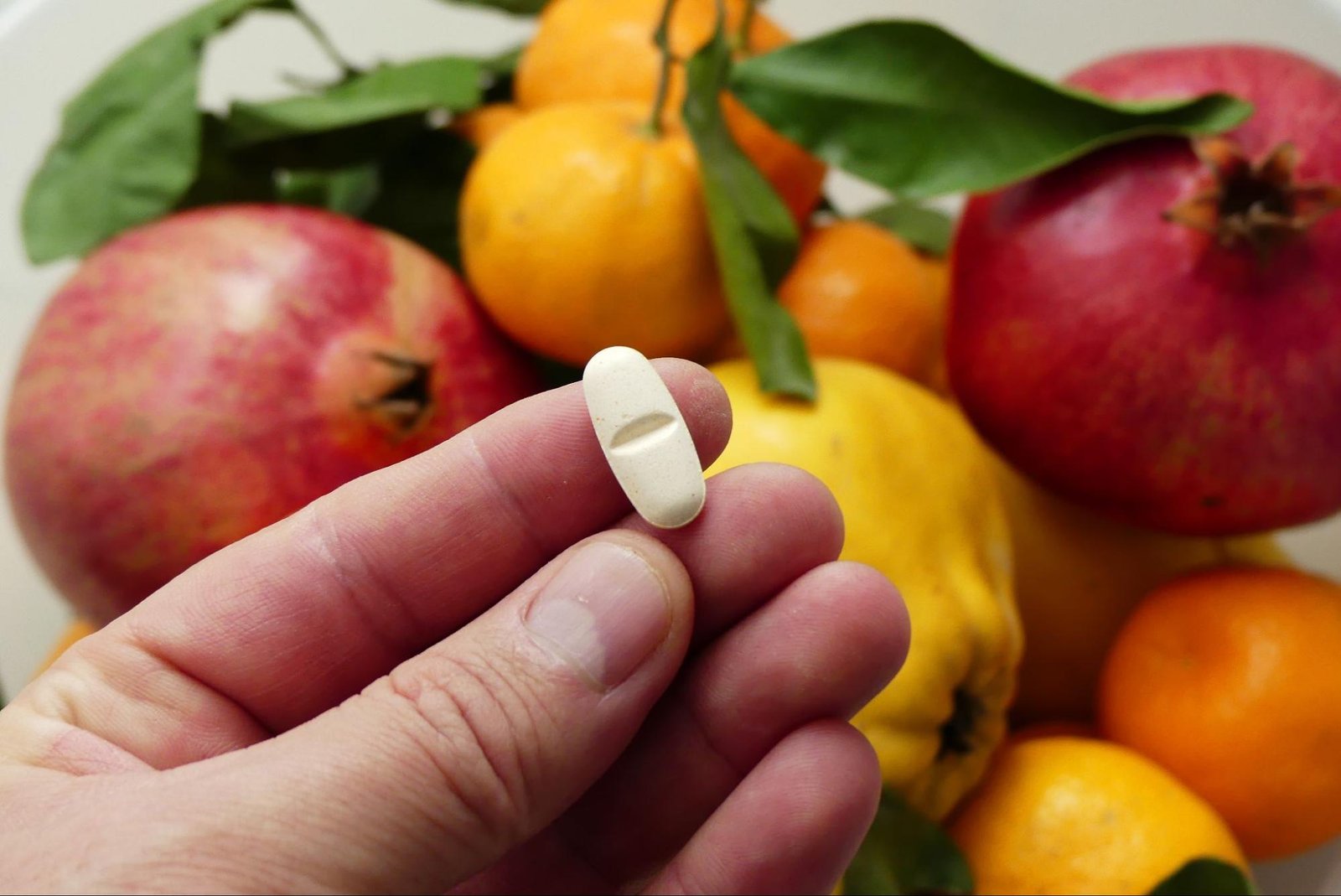
Key Vitamins That Influence Fertility Outcomes
Vitamins act as catalysts in many reproductive functions. Deficiency in even one can affect fertility outcomes.
Vitamin D plays a major role in hormone regulation and egg quality. Low levels are linked to irregular cycles and reduced IVF success rates.
Folate, also known as vitamin B9, is crucial for DNA synthesis and cell division. Deficiency increases the risk of implantation failure and early pregnancy loss.
Vitamin B12 supports nerve function and red blood cell production. In fertility, it works closely with folate to support embryo development.
Vitamin C improves sperm motility and protects eggs from oxidative stress. It also helps the body absorb iron more effectively.
Vitamin E supports reproductive tissue health and improves blood flow to the uterus and ovaries, enhancing implantation potential.
These vitamins are often evaluated during fertility treatment in Bangalore to optimize treatment outcomes.
Essential Minerals and Their Impact on Reproductive Health
Minerals are equally important and often overlooked. Each mineral supports a specific fertility-related function.
Iron deficiency can lead to anemia, which affects ovulation and increases fatigue during treatment cycles.
Zinc is essential for sperm production, egg maturation, and hormone balance. Low zinc levels can reduce fertility in both partners.
Selenium acts as an antioxidant and supports sperm structure and motility.
Magnesium helps regulate stress hormones and supports energy production in reproductive cells.
Iodine is necessary for thyroid function. Thyroid imbalance is a common cause of infertility and irregular cycles.
At a fertility centre in Bangalore, mineral levels are often assessed to ensure the body is prepared for conception and IVF treatment.