
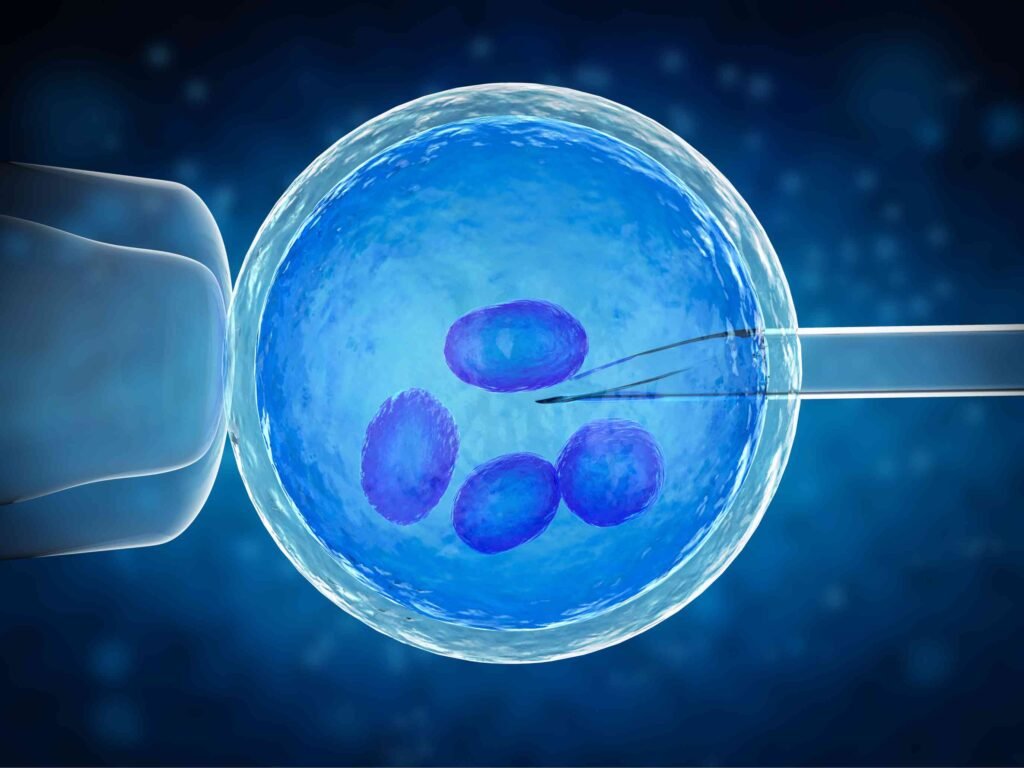
When it comes to fertility treatments, in-vitro fertilization (IVF) is often the most well-known and advanced option. It has given countless couples and individuals the chance to become parents, even when natural conception wasn’t possible. But sometimes, IVF needs an extra helping hand in the form of donor eggs or donor sperm.
For many, the concept of using donated genetic material can feel overwhelming at first. But once the practicalities, emotional aspects, and medical benefits are better understood, it becomes clear why donor eggs and sperm play such a crucial role in IVF success stories around the world.
In this blog, we’ll dive into everything you need to know about how donor eggs and sperm are used, why they matter, what to expect during the process, and how they can significantly boost the chances of building the family you’ve always dreamed of.
Understanding IVF and the Place of Donor Contributions
IVF works by combining eggs and sperm in a laboratory setting, creating embryos that can later be transferred into the uterus. The goal is for one of those embryos to implant and develop into a healthy pregnancy.
However, sometimes the eggs or sperm of the intended parents may not be viable enough to achieve fertilization or carry a pregnancy successfully. That’s where donors come in. Donor eggs and sperm can be life-changing for couples dealing with infertility, same-sex couples, or single individuals pursuing parenthood.
This is why discussions about Donor Eggs and Sperm in IVF Success are becoming increasingly important in fertility clinics and support groups. They represent not just a backup plan, but in many cases, the most promising pathway to parenthood.
Why Do People Turn to Donor Eggs?
Egg quality declines with age, and by the mid-to-late 30s, many women experience diminished ovarian reserve. This can make it difficult—or even impossible—to retrieve enough healthy eggs during an IVF cycle.
Other reasons women may need donor eggs include:
- Premature ovarian failure due to genetics, medical treatments, or autoimmune issues.
- Medical conditions such as endometriosis or prior surgeries that have damaged the ovaries.
- Inherited disorders that may be passed on genetically.

By using eggs from a young, healthy donor, the likelihood of creating healthy embryos increases dramatically. In fact, success rates for IVF with donor eggs are often significantly higher than cycles using a patient’s own eggs, particularly when age is a factor.
When Sperm Donation Becomes Essential?
On the other side of the equation, sperm donation is an equally vital tool for fertility treatments. While male infertility is less openly discussed, it plays a role in nearly 50% of infertility cases.
Common reasons sperm donation is considered include:
- Low sperm count or poor motility.
- Genetic concerns that could be passed on to a child.
- Prior medical treatments like chemotherapy that have damaged fertility.
- Single women or same-sex female couples wanting to conceive.
Just as with eggs, donor sperm is carefully screened for both genetic and infectious diseases, ensuring the highest standards of safety and quality.
How Donor Eggs and Sperm in IVF Success Are Carefully Screened?
When talking about Donor Eggs and Sperm in IVF Success, one crucial factor is the extensive screening process. Fertility clinics follow strict medical, legal, and ethical guidelines to ensure that donated genetic material is safe to use.
- Medical screening: Donors undergo physical exams, blood tests, and genetic evaluations.
- Psychological evaluation: To confirm that donors fully understand their role and decision.
- Legal safeguards: Contracts and consent documents clarify the rights of all parties involved.
The Emotional Side of Using Donors
While the medical side of donor-assisted IVF is clear-cut, the emotional journey is often more complex. Many intended parents need time to grieve the loss of a genetic connection to their child before embracing donor options.
Some common feelings include:
- Fear of whether the child will feel “theirs.”
- Anxiety about explaining the donor story to the child one day.
- Relief in finally having a real chance at parenthood.
Support groups, counseling, and open communication with one’s partner or support network play a vital role in navigating these emotions.
IVF with Donor Eggs: What to Expect
Here’s a step-by-step look at how IVF with donor eggs usually unfolds:
- Choosing a donor – Through an agency or fertility clinic, intended parents review donor profiles, including medical history, education, and physical characteristics.
- Synchronization – The donor’s cycle is aligned with the intended mother (or gestational carrier) to prepare the uterus for embryo transfer.
- Egg retrieval and fertilization – Donor eggs are collected and fertilized with sperm in the lab.
- Embryo transfer – After several days of development, one or more embryos are placed into the uterus.
- Pregnancy testing – Around two weeks later, a blood test determines if implantation was successful.

IVF with Donor Sperm: The Process
Using donor sperm is generally more straightforward than egg donation:
- Selecting the donor – Intended parents choose from sperm banks, with access to detailed donor profiles.
- Sperm preparation – Samples are thawed and “washed” to isolate the healthiest sperm.
- Fertilization – IVF or intrauterine insemination (IUI) is performed using the donor sperm.
- Embryo transfer – If IVF is chosen, embryos are transferred just as with donor egg cycles.
How Donor Eggs and Sperm Increase IVF Success Rates?
One of the most powerful arguments for donor-assisted IVF is the dramatically improved success rates. Clinics consistently report higher pregnancy outcomes with donated eggs or sperm compared to cases where infertility is caused by compromised genetic material.
Here’s why:
- Donor eggs usually come from women in their 20s, when fertility is at its peak.
- Donor sperm is selected from highly screened and healthy donors.
- Combining the healthiest eggs and sperm maximizes embryo quality, giving a much higher chance of implantation.
This is why discussions around Donor Eggs and Sperm in IVF Success are so essential—because they truly change the odds for many families.
Psychological Support for Donor-Conceived Families
Counseling isn’t just for the intended parents—it can also help donor-conceived children as they grow up. Research shows that openness and honesty are key to healthy family relationships. Many experts recommend sharing the donor story with children from a young age, in age-appropriate ways, so it becomes part of their identity rather than a shocking revelation later.
Future of Donor Eggs and Sperm in IVF
Advancements in reproductive science continue to improve donor-assisted IVF outcomes. Areas of development include:
- Genetic testing of embryos (PGT-A): Ensuring only healthy embryos are transferred.
- Expanded donor databases: Offering more diversity and choice for intended parents.
- Improved freezing techniques: Making donor eggs and sperm more accessible worldwide.
As technology advances, the role of donors in IVF will only become more refined and effective.
Final Thoughts
The journey to parenthood looks different for everyone, and there is no one “right” path. For some, it’s a straightforward pregnancy. For others, it’s a long road of fertility treatments. And for many, success comes through the help of generous donors.
When we talk about Donor Eggs and Sperm in IVF Success, we’re really talking about hope, science, and human connection working together. Donor-assisted IVF allows countless families to experience the joy of raising a child, regardless of genetics.
Whether you’re just beginning to explore IVF, or you’ve been on this road for years, remember this: choosing donor eggs or sperm is not giving up—it’s choosing the most effective path toward the family you’ve always dreamed of.